
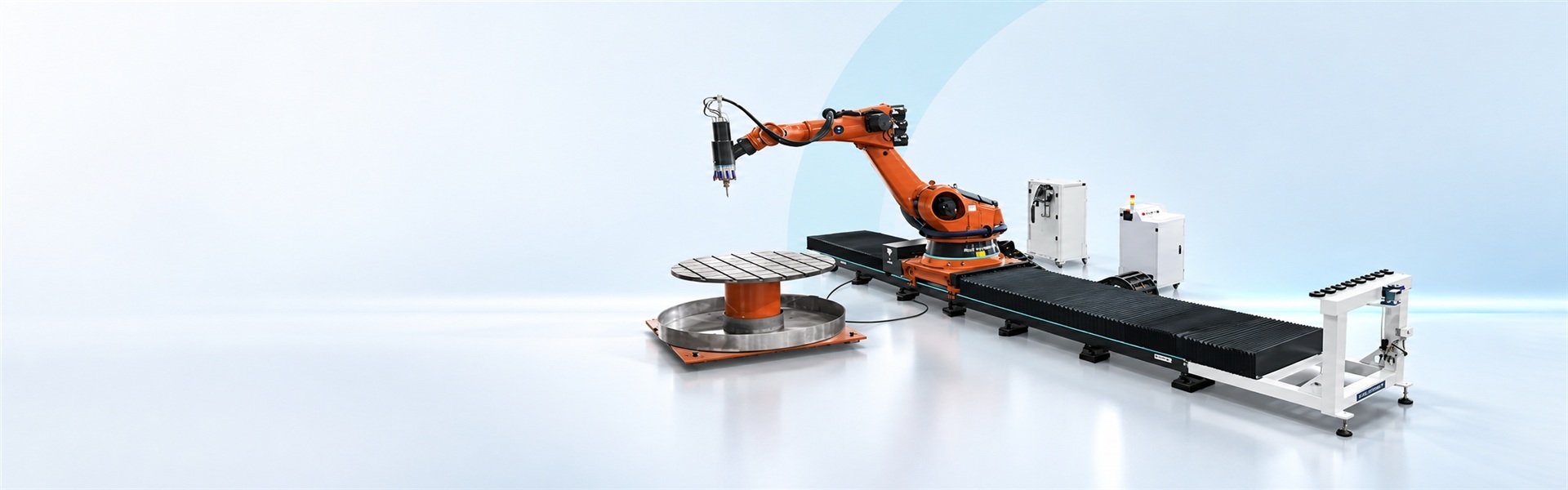
Advantages of ElephMax 6 Axis Robotic Arm
- Deal with cutting, milling, grinding, and polishing with one robot arm
- Ideal for processing curved, hollow, and irregular stone parts
- Can complete multi-surface machining in a single setup
- Features remote monitoring, supporting smart manufacturing
- The automatic tool change system minimizes your production downtime
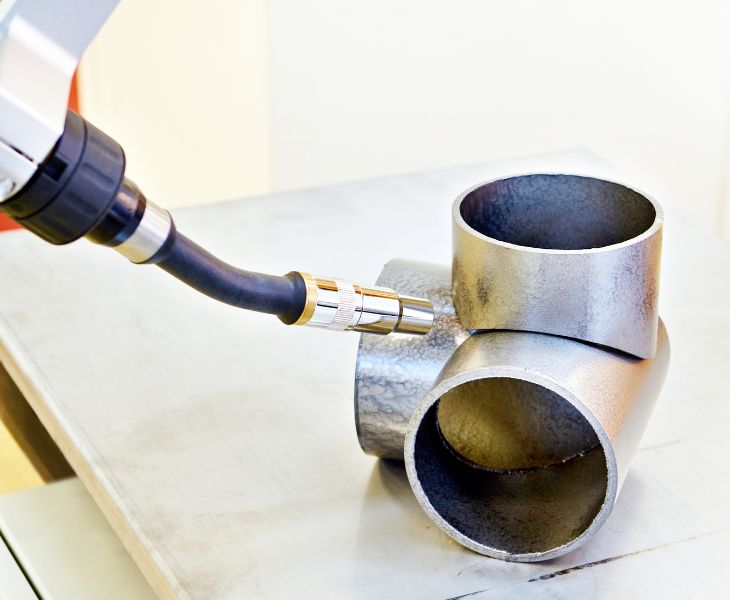
Professional 6 Axis Robotic Arm Supplier in China
6 axis robotic arms automate complex stone cutting, carving, grinding, and polishing with unmatched flexibility. Their mechanical structure and movement trajectory resemble those of a human arm and wrist.
ElephMax has over 16 years of experience in manufacturing 6 axis robot arm. These robotic arms we design feature with intelligent motion control and automatic tool changing capabilities. With them, now we have helped over 9,000 worldwide customers boost productivity, reduce labor costs, and achieve stable processing quality.
Contact us, and you can quickly get a free solution consultation and competitive factory quote.
ElephMax 6 Axis Robotic Arm Types
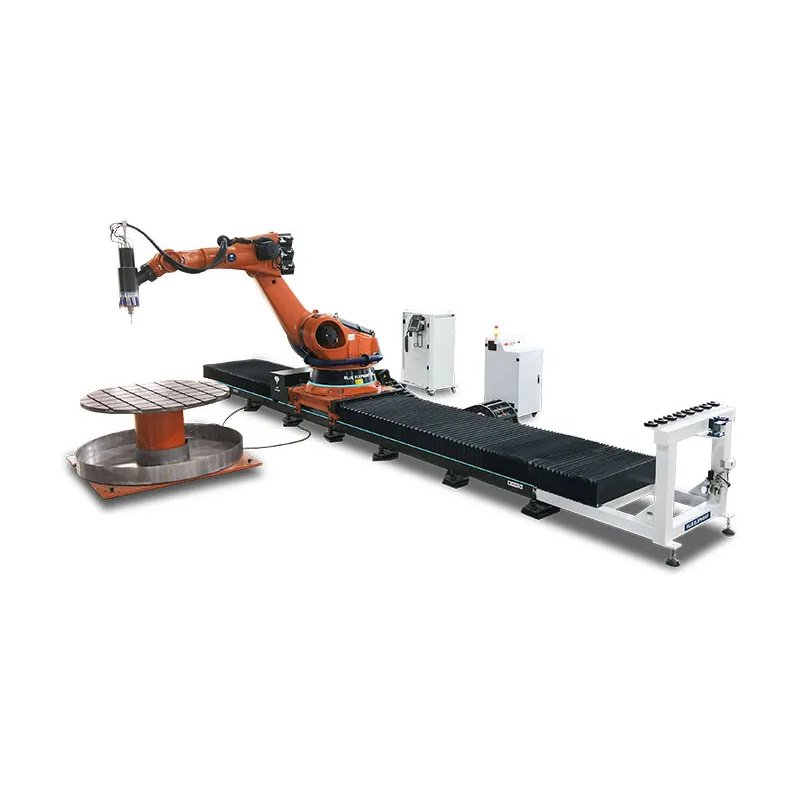
Built around a KUKA KR210, this system travels 6m along a ground rail for large foam molds and oversized 3D workpieces that exceed a fixed robot’s reach.
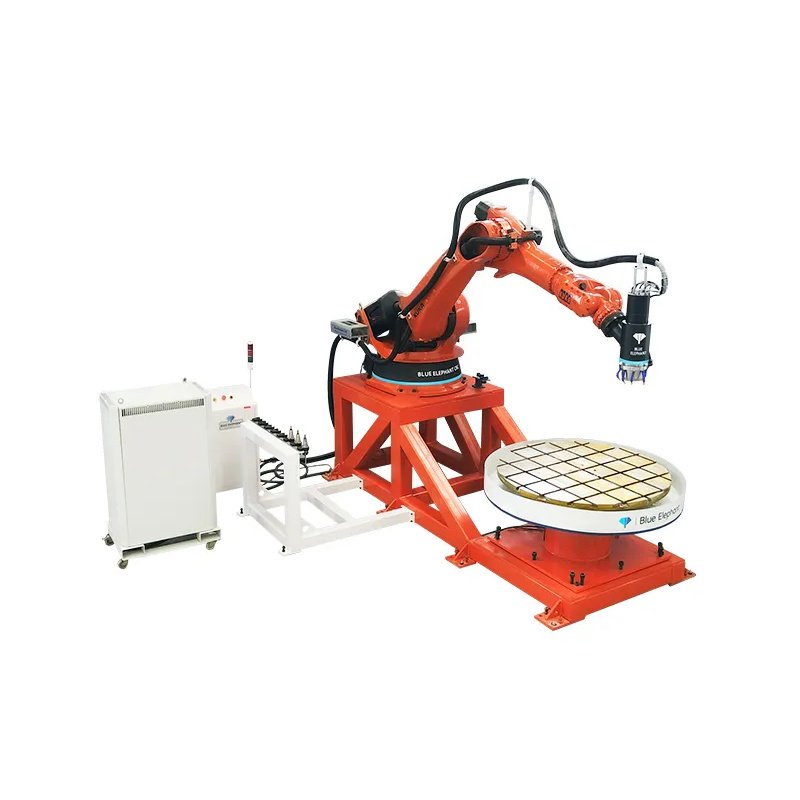
Import a 3D model, generate the machining program offline, and send it to the six-axis KR210 for processing—without programming every toolpath manually.
ElephMax 6 Axis Robotic Arm Features

The maximum reach ranges from 2.5 to 3.9 meters, with a spherical working envelope that enables it to move freely around and above an entire large raw stone block.

Can coordinate the seventh axis (linear ground slide rail) and the eighth axis (high-precision CNC rotating platform), enabling the processing of giant stone sculptures.

The overall protection level of robots can reach IP67, and the end of the wrist can reach IP69K.

Employ a special anti-corrosion and wear-resistant industrial coating, preventing stone dust from entering the reducer and encoder.
Undercut & Complex Geometry Processing Capability
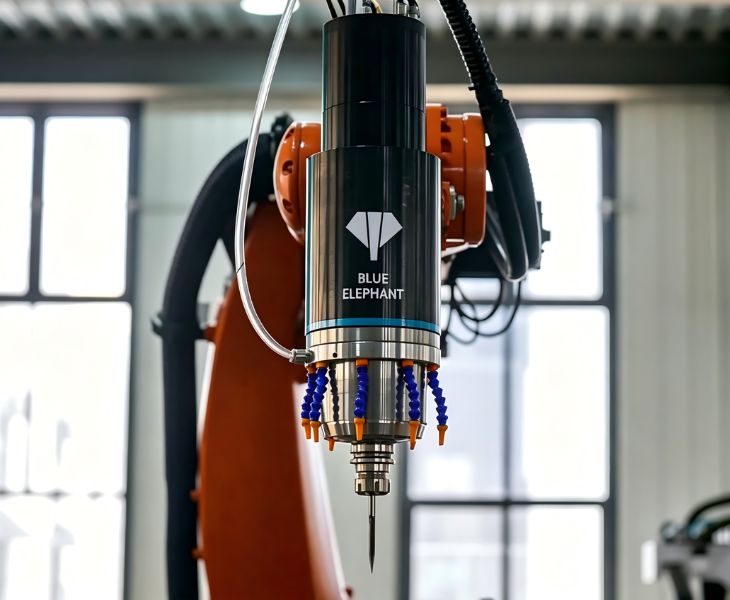
ElephMax 6 axis robotic arm has high flexibility across six degrees of freedom. The tool can cut into stone from a fully vertical side, at an inclined angle, or even from a reversed bottom angle.
When carving full three-dimensional Buddha statues, European-style Roman columns, or intricate hollowed-out relief sculptures, the robotic arm 6 axis achieves complete coverage with no processing blind spots.
Why Choose ElephMax For Your 6 Axis Robotic Arm Solution?
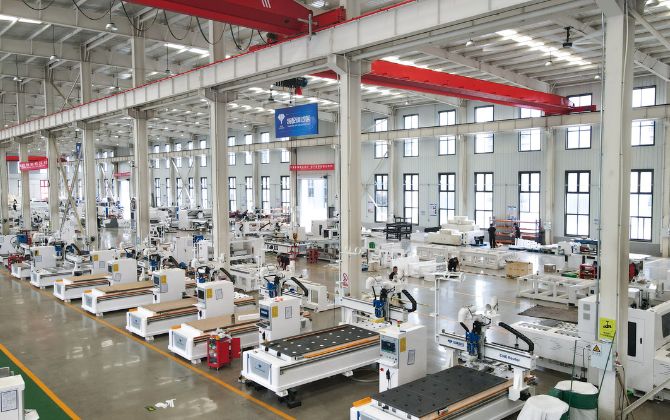

As a professional 6 axis robotic arm supplier, ElephMax has a 75,000 m² intelligent manufacturing base and is backed by over 120 patents and certifications. All of our products have to undergo 160 quality inspection procedures, including mechanical assembly, electrical systems, motion accuracy, and operational performance. This ensures their durability and performance.
Beyond offering the arm, we also provide complete technical support, such as free process analysis, professional workshop planning, software training, installation guidance, and remote commissioning to help your production start quickly. Now, our repeat purchase rate is up to 42.8%.
ElephMax 6 Axis Robotic Arm Applications
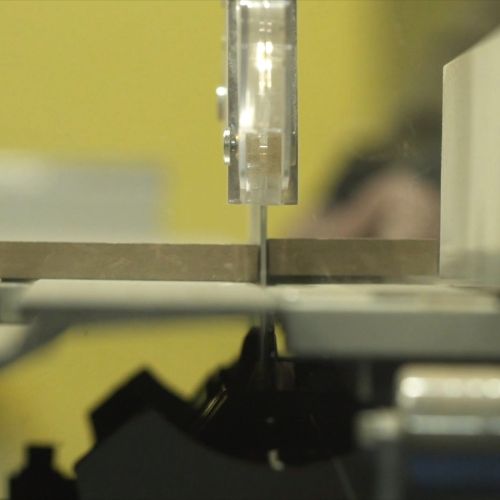
ElephMax 6 axis robotic arm can bend its wrist and perform cutting operations from the bottom, the side, the inclined dead space, or inside the hollow area. So it achieves 360-degree coverage, suitable for the restoration of 3D stone statues.
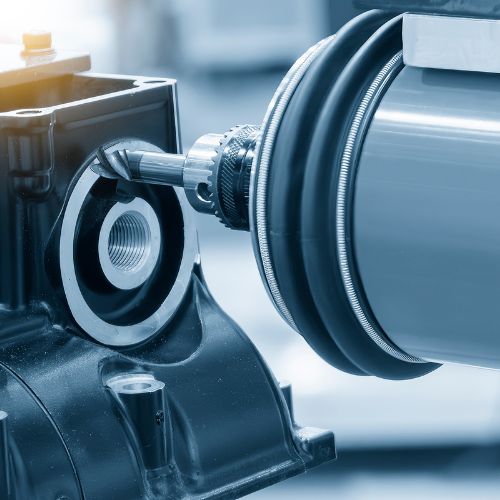
ElephMax 6 axis robotic arm can complete the transition between the saw blade and the water jet in just 0.5 seconds. Therefore, you do not need to manually move the stone slab repeatedly when processing stone countertops.
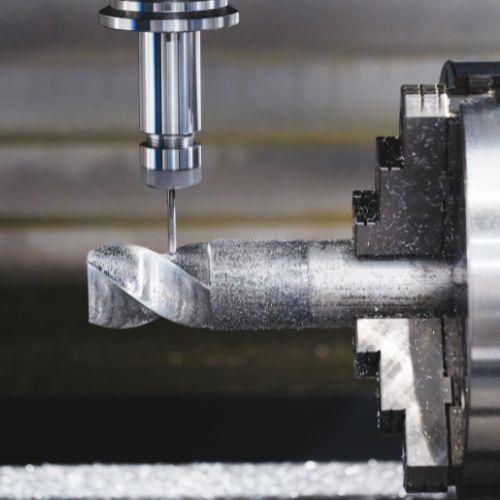
ElephMax 6 axis robotic arm is equipped with a torque sensor. It provides real-time force control. When dealing with 3D relief surfaces, the arm can adjust the joint output to ensure that the polishing disc adheres to the stone surface with constant contact force.
More About Our Company
- Certifications
- 6 Axis Robotic Arm Video
- Specification
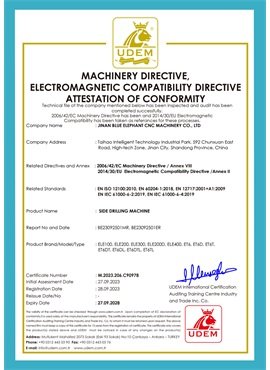
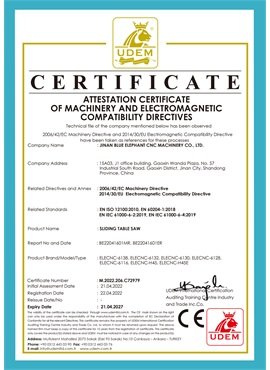
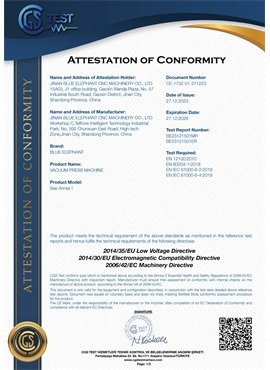
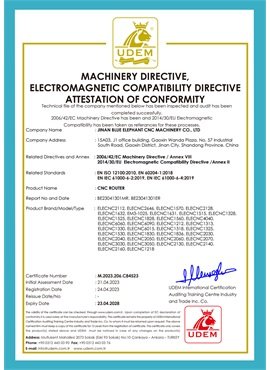
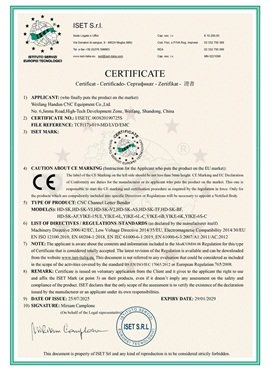
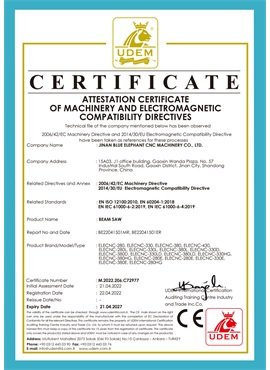
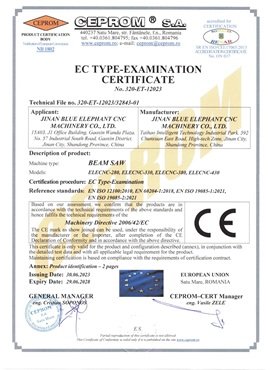
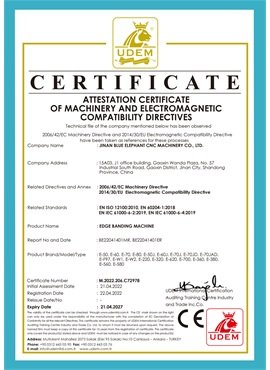
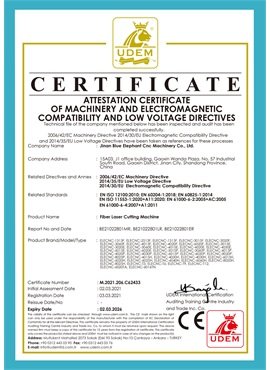
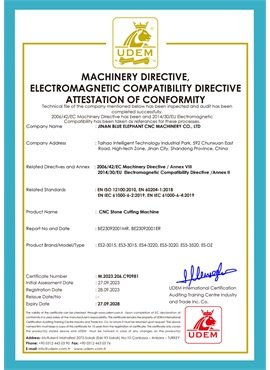
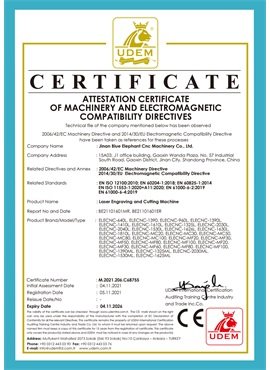
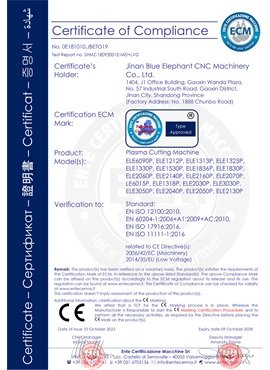
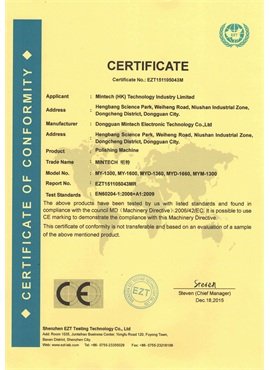
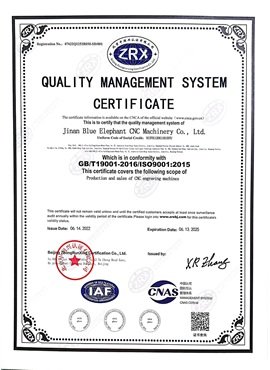
Each of our 6 axis robotic arms is strictly tested before shipment. We ensure all of them meet your requirements of the industrial sector for precision, safety, and stable operation. Here are our internationally recognized certifications.
| General & Kinematic Specifications | |||||
| Structure Type | Vertical Articulated | ||||
| Degrees of Freedom (DoF) | 6 Axes | ||||
| Nominal Payload | 150 kg | ||||
| Maximum Payload | 180 kg | ||||
| Maximum Reach | 2,700 mm | ||||
| Pose Repeatability (ISO 9283) | ±0.05 mm | ||||
| Robot Weight | Approx. 1,150 kg | ||||
| Mounting Position | Floor, Ceiling, Wall, Linear Rail | ||||
| Axis Motion Range & Maximum Speed | |||||
| Axis No. | Motion Range | Max. Angular Speed | |||
| Axis 1 (J1) | ±185° | 105° / s | |||
| Axis 2 (J2) | +135° to -60° | 90° / s | |||
| Axis 3 (J3) | +65° to -170° | 95° / s | |||
| Axis 4 (J4) | ±350° | 130° / s | |||
| Axis 5 (J5) | ±125° | 120° / s | |||
| Axis 6 (J6) | ±360° (Optional Infinite) | 210° / s | |||
| Wrist Load Capacity & Allowable Moment | |||||
| Parameter | Allowable Torque | Allowable Moment of Inertia | |||
| Axis 4 (J4) | 900 N·m | 45.0 kg·m² | |||
| Axis 5 (J5) | 900 N·m | 45.0 kg·m² | |||
| Axis 6 (J6) | 480 N·m | 22.0 kg·m² | |||
| Environmental & Safety Features | |||||
| Protection Class (Arm) | IP67 / Foundry Plus | ||||
| Protection Class (Wrist) | IP69K | ||||
| Braking System | Electromagnetic Safety Brakes | ||||
| Safety Certification | CE, UL, RIA R15.06, ISO 10218-1 | ||||
| Cable Routing | Hollow Wrist / Internal Routing | ||||
| Operating Temperature | 0°C to +50°C | ||||
| Controller & Software Specifications | |||||
| Controller Model | HD-RC6000 Advanced Control Cabinet | ||||
| Power Supply Requirements | 380V – 480V AC, 3-Phase, 50/60 Hz | ||||
| Teach Pendant | 10.1″ Touchscreen with Safety Deadman Switch | ||||
| Fieldbus Protocols | EtherCAT, PROFINET, Ethernet/IP, Modbus TCP | ||||
| External Axis Control | Up to 4 Additional Axes (7th to 10th Axis) | ||||
| CAM Compatibility | G-Code / NC File Direct Import | ||||
| Motion Interpolation | Linear, Circular, 3D Continuous Path | ||||
Testimonials
“We chose ElephMax’s rail-mounted 6 axis robot arm design. It automates our quartz countertop production well. Now one robot covers multiple processing stations. Our overall production efficiency has been greatly improved.”
 Marco Rossi | Production Manager | Quartz Countertop Manufacturer | Italy
“After we purchased the ElephMax carving 6 axis robotic arm, our way of producing custom marble sculptures has changed. It handles complex curves with remarkable consistency. We can take on more high-value architectural projects with less manpower.”
 Ahmed Hassan | Factory Owner | Stone Sculpture Manufacturer | UAE
6 Axis Robotic Arm VS Traditional CNC Router
Compared with traditional CNC routers, the 6 axis robotic arm has much higher flexibility. It can be made from multiple angles and has high automation. Therefore, the 6 axis robotic arm is much more suitable for dealing with complex stone fabrication and high-mix production environments.
For more differences, you can check the chart below:
| Item | 6 Axis Robotic Arm | Traditional CNC Router |
| Axis Freedom | 6-axis simultaneous movement | 3-axis or limited 4-axis movement |
| Complex 3D Processing | Excellent | Limited |
| Multi-Angle Machining | Excellent | Restricted |
| Reachability | High | Moderate |
| Tool Orientation | Dynamic | Fixed |
| Complex Sculptures | Excellent | Difficult |
| Automation Level | High | Medium |
| Production Flexibility | Excellent | Limited |
How To Choose The Right 6 Axis Robotic Arm: The Selection Guide
| Type | Key Advantages | Best For |
| Fixed-Base 6 Axis Robotic Arm | Compact footprint, high rigidity, easy installation, ideal for medium-sized workpieces | Standard stone processing cells |
| Rail-Mounted 6 Axis Robotic Arm | Extended travel range, covers multiple workstations, higher productivity | Large slabs & long workpieces |
| Gantry-Mounted 6 Axis Robotic Arm | Large working envelope, excellent stability, supports heavy payloads | Heavy-duty & oversized stone machining |
No, industrial stone processing requires the construction of large and heavy systems, while the open source six-axis robotic arm cannot meet the requirements.
It’s important to understand that the open source 6 axis robotic arm is different from an industrial one (what ElephMax provides). It cannot deal with industrial stone cutting, milling, and polishing. Its advantage lies in small-scale automation, CNC machine operation, and STEM education.
In comparison, the degree of freedom of a 6 axis robotic arm is higher than that of a 5 axis one. A 5 axis robot arm cannot make the tool rotate around its own axis, while our 6 axis robotic arms enable the end tool to rotate freely in a 360° circle.
This depends on the complexity of your stone process. For standard-size stones, the 6 axis robotic arm is enough. If you want to deal with large building columns, long tabletops, or giant 3D sculptures, then the 7 axis robotic arm can be better.
Usually, the 7 axis robotic arm is formed by installing a six-axis robotic arm on a linear track. The track acts as the seventh linear axis.
If you have such a requirement, we can customize a solution for you.
Many factors can affect the 6 axis robotic arm price, including the payload capacity, maximum reach, repeatability, accuracy, IP rating, and some system integration, such as End-of-Arm Tooling (EOAT) (CNC milling spindle, laser cutting head, automatic tool changer, etc.), vision, sensors, integration & programming labor, and safety protection facilities.
You can get a quick and transparent quote from us at any time if you want.