
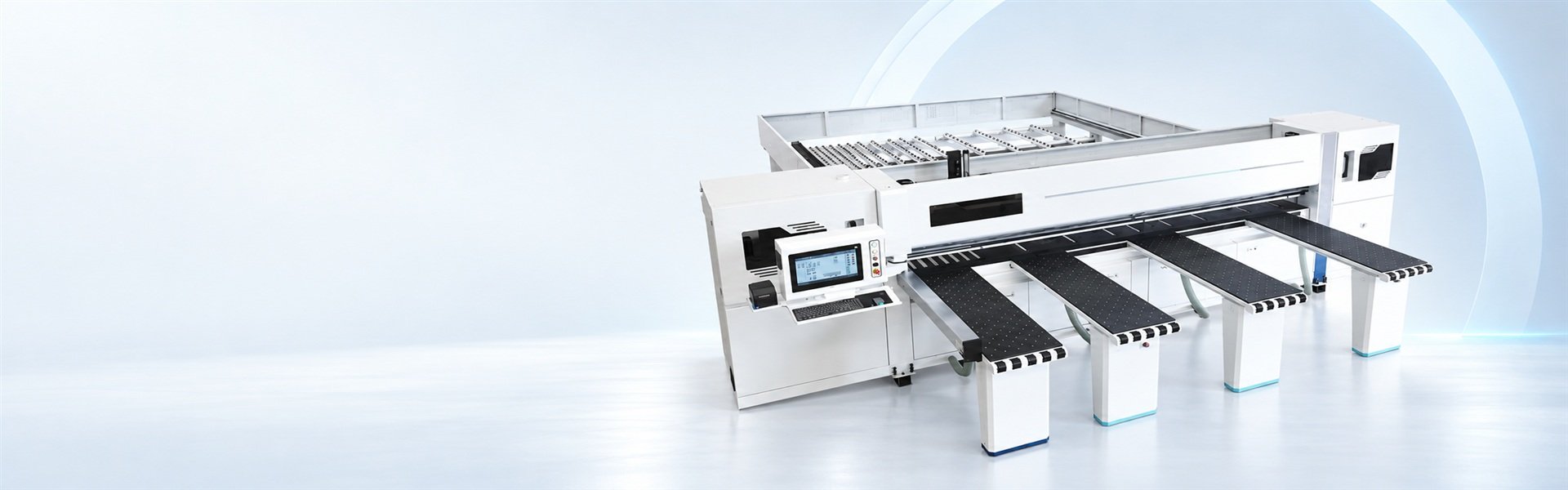
Panel Saw Machine Manufacturer
- The main components of our panel saw machines are all imported from international brands, such as HSD, OMRON, and SHIMPO.
- Suitable for processing various wood-based panels such as density board, particle board, man-made board, ABS board, and PVC board.
- With an intelligent control system, operators only need 2 hours of training before using our panel saw machines.
- Can be equipped with a motor combining a 5.5 kW main saw and a 1.1 kW scoring saw (total 6.6 kW), providing rapid heat dissipation to support sustained processing.
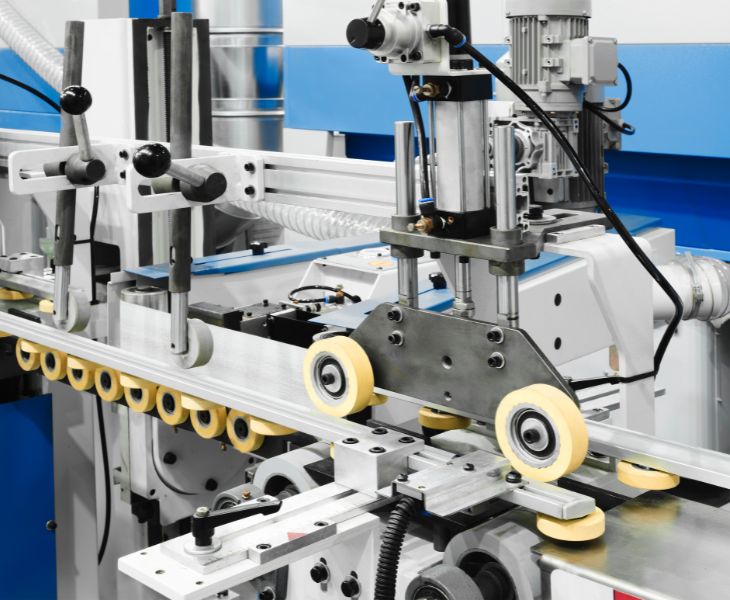
What is the Panel Saw Machine?
Our panel saw machines are high-precision cutting equipment specifically used in the woodworking industry for precisely dividing large sheets of board into smaller pieces of different sizes. They are mainly designed for smooth and high-precision cutting and are the core furniture panel saw machinery for full-home customization and panel furniture factories. Our machines provide fast, precise, and repeatable cutting, making them easy for subsequent edge sealing and hole drilling processes.
Sliding Table Saw
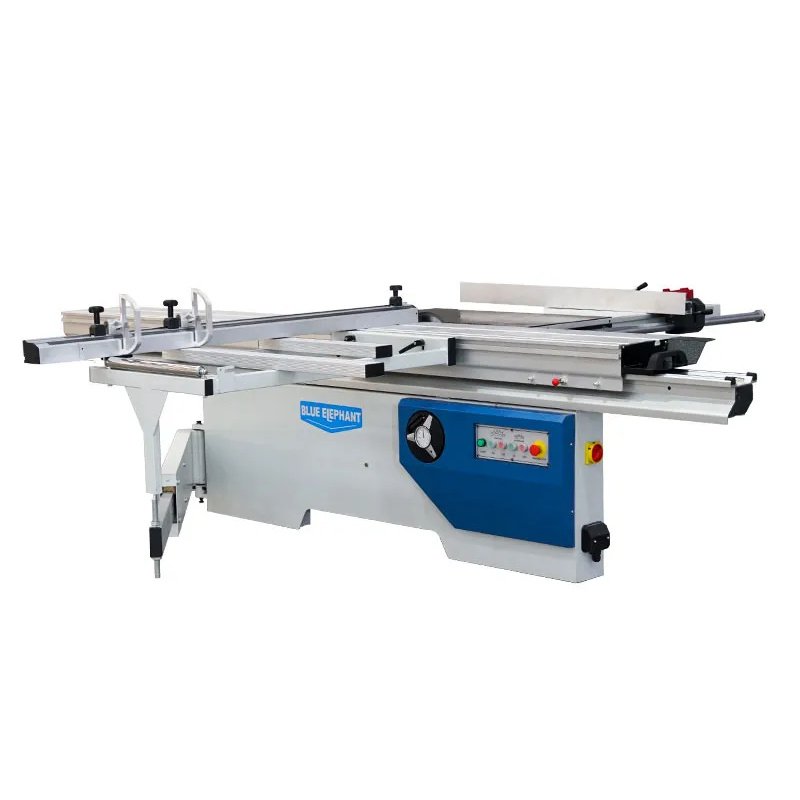
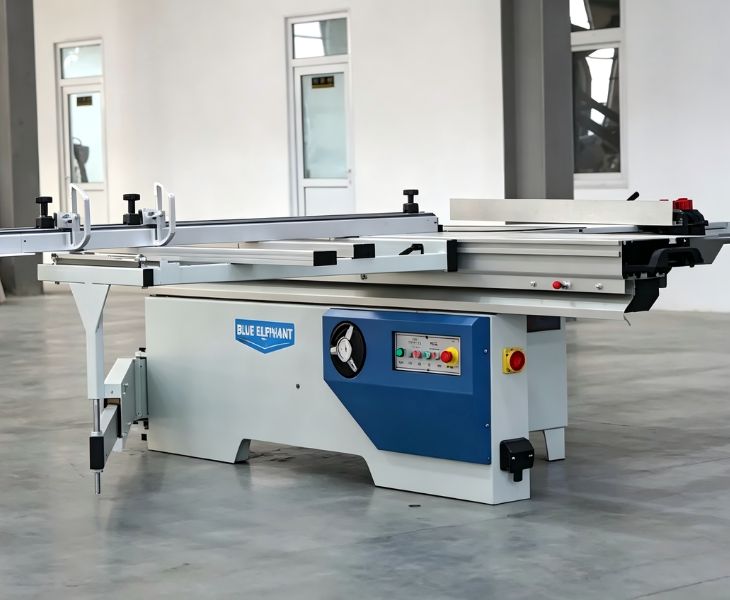
Features a 3200×375 mm sliding table, linear slide rail system, electric main saw height adjustment, and digital blade tilt display for precise panel cutting.
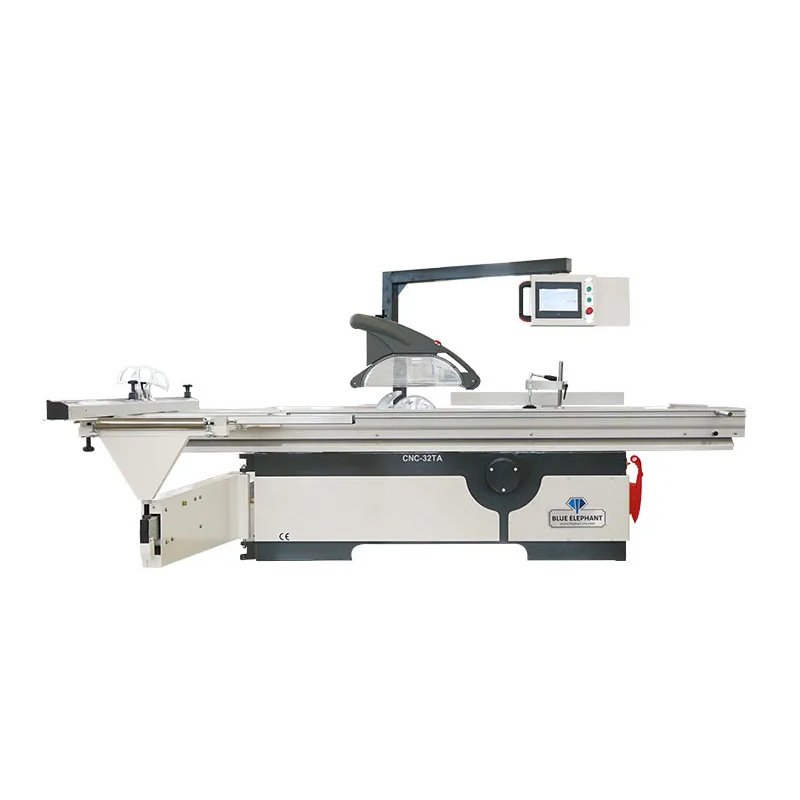
Combines digital control with CNC ruler adjustment, displaying key cutting settings on an LED panel and controlling sizing accuracy within 0.1 mm.
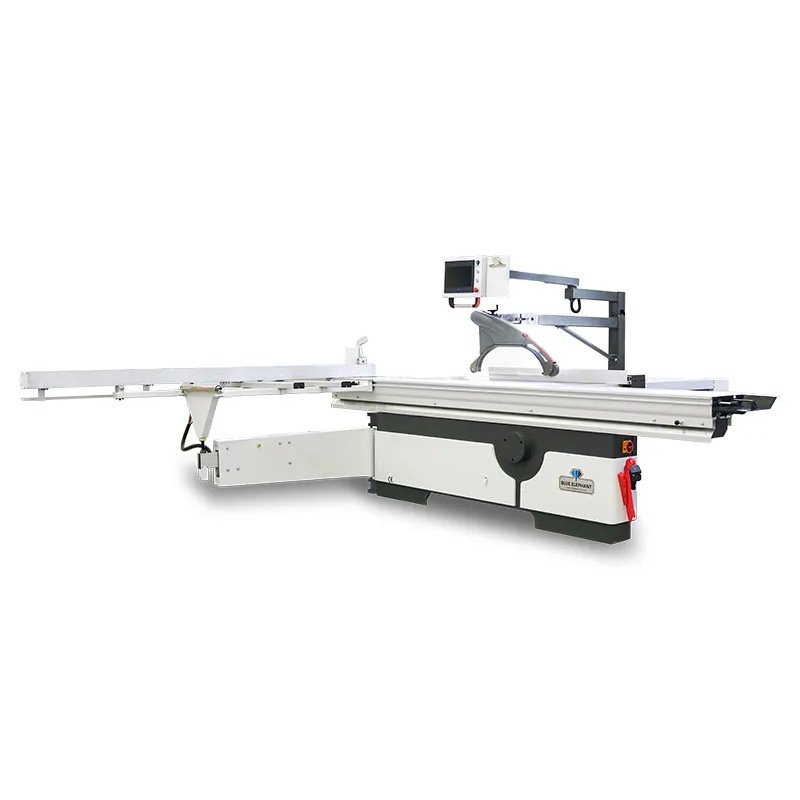
Features CNC-controlled fence positioning, wear-resistant aluminum linear rails, integrated dust collection, and a protective cover for repeatable panel sizing.
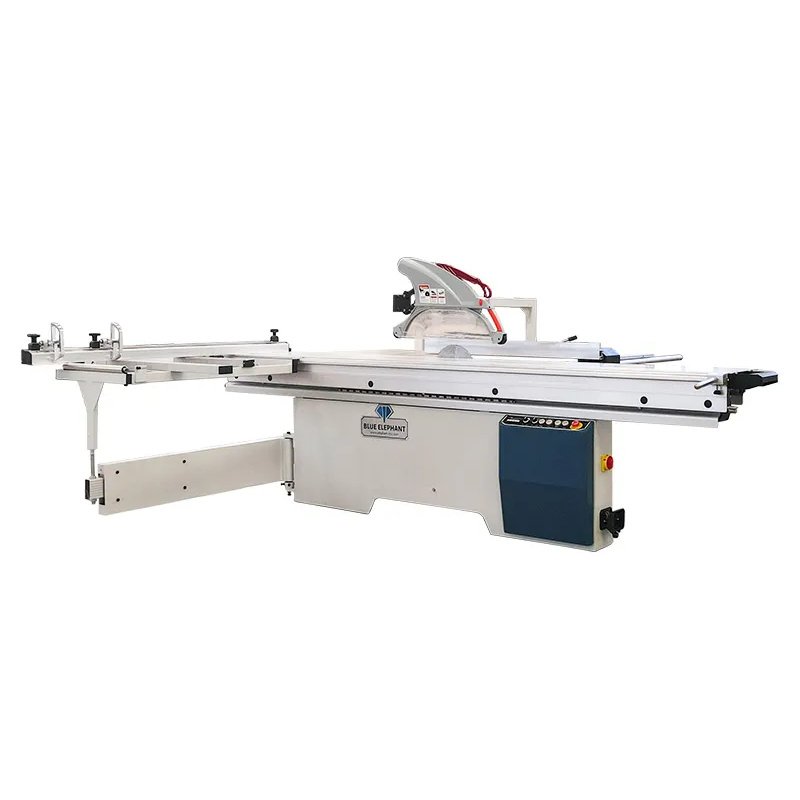
Offers electric blade lift and 0°–45° tilt adjustment, allowing direct dimension-based cutting without CNC drawing or programming.
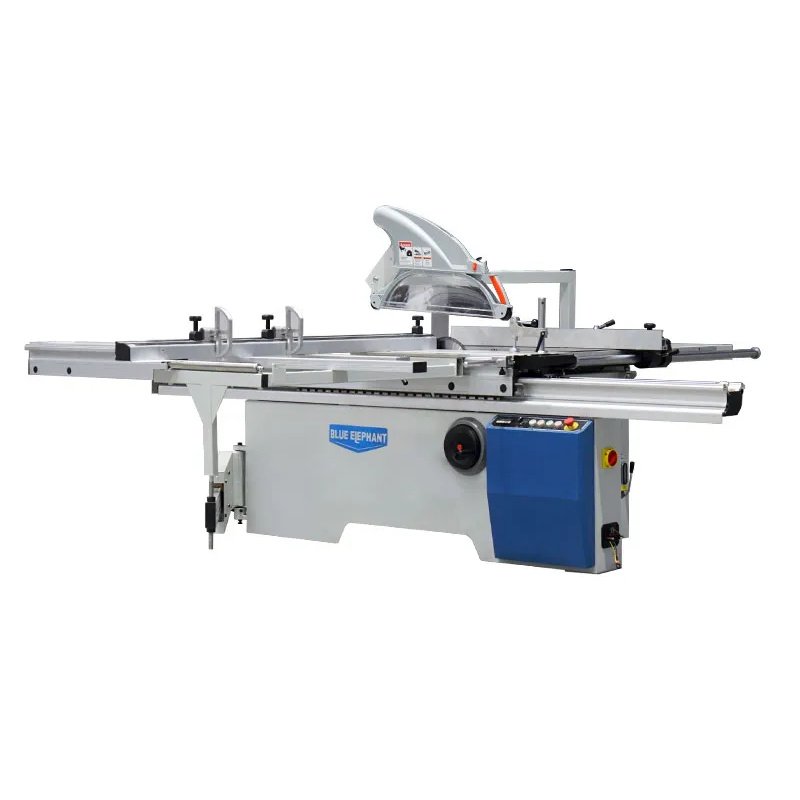
Features adjustable push-pull slide travel limits and dual-side worktables with fences and scales for controlled panel positioning and sizing.
Beam Saw Cutting Machine
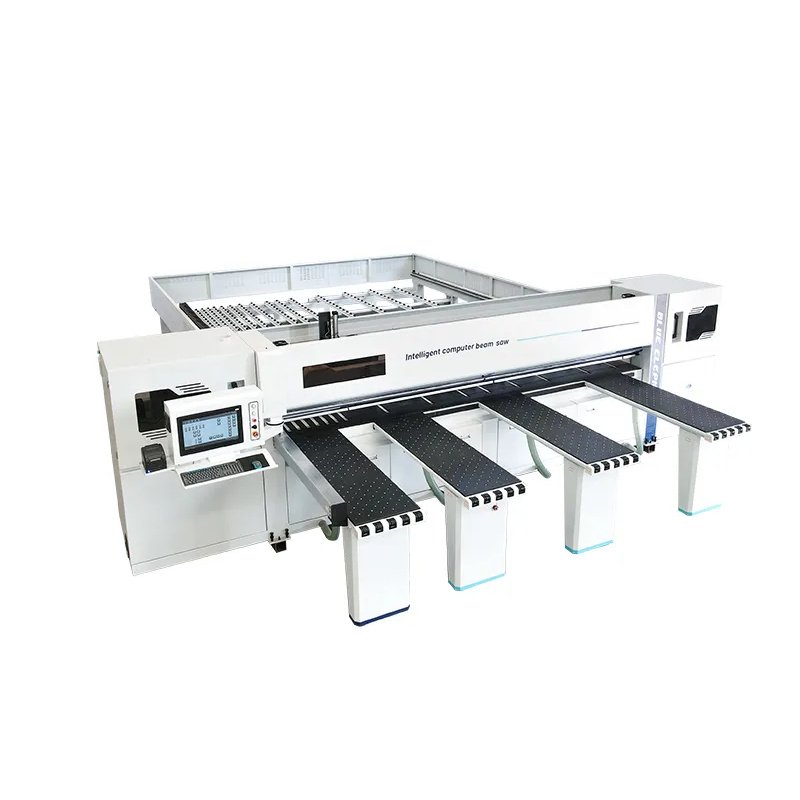
Supports cutting-plan simulation and integrates optimization, barcode, and automation software for connected panel processing.
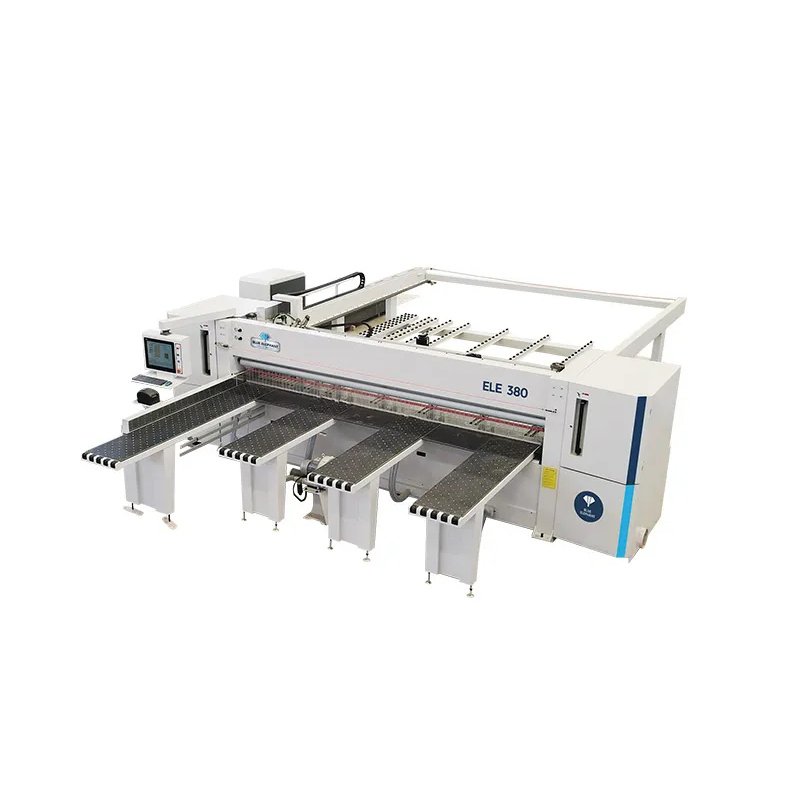
A screw-driven lifting platform, 11 manipulators, and pneumatic double-sided alignment for controlled panel feeding and positioning.
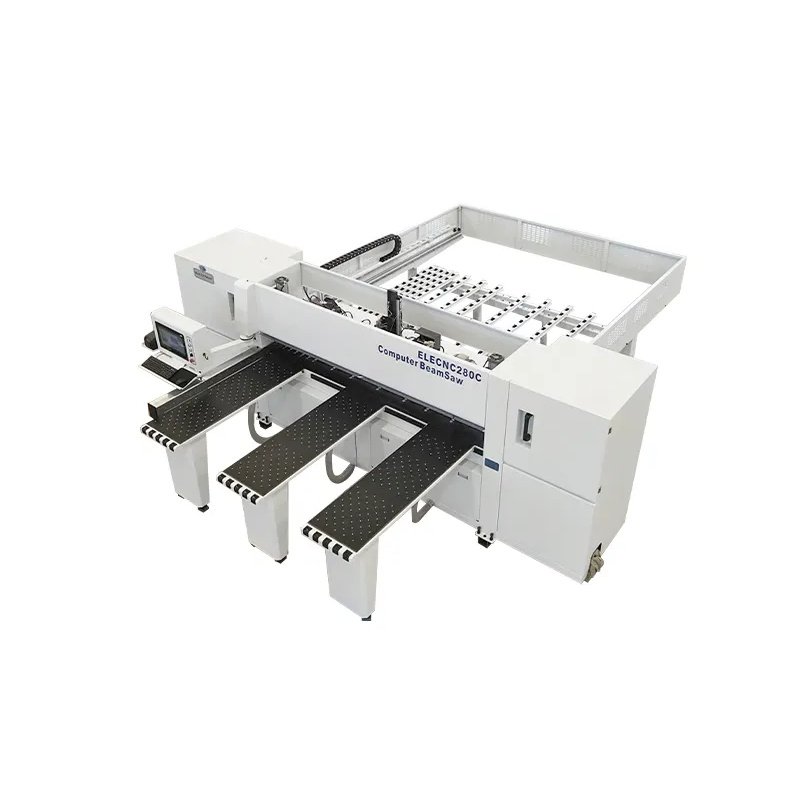
Multi-layer panel cutting up to 100 mm thick with adjustable-depth groove pulling for integrated sizing and grooving.
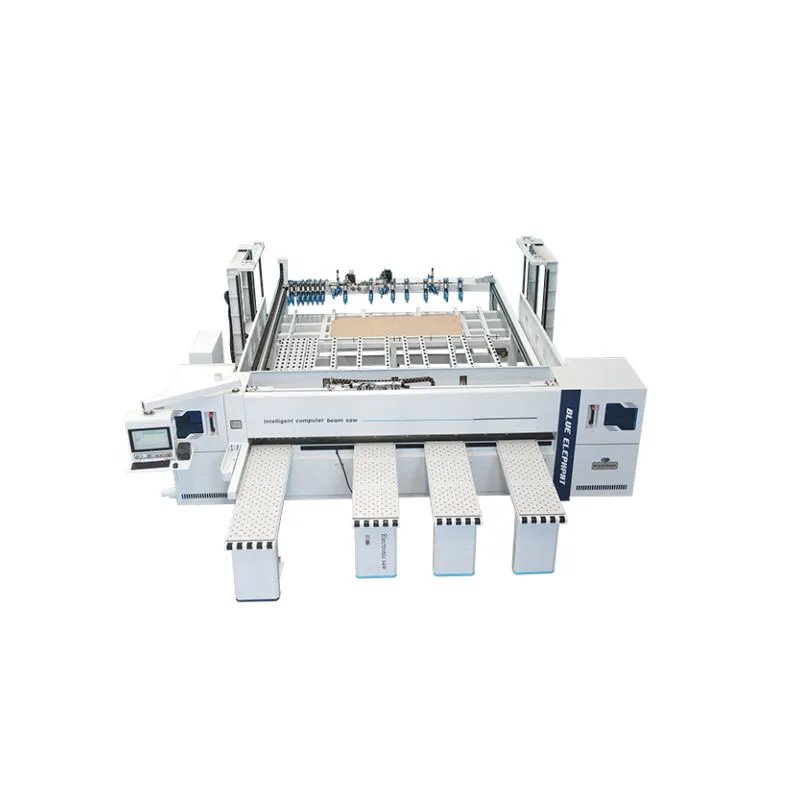
Uses a rear-feeding lifting platform for automatic panel loading and can connect with intelligent logistics or warehouse systems.
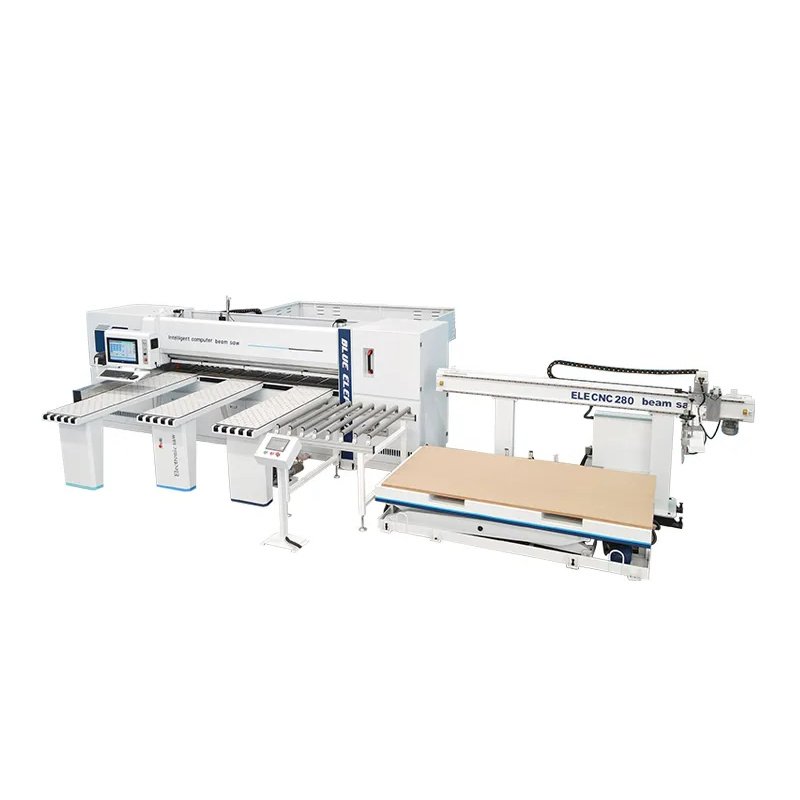
A front automatic loading platform with fault detection and automatic shutdown for continuous panel cutting.
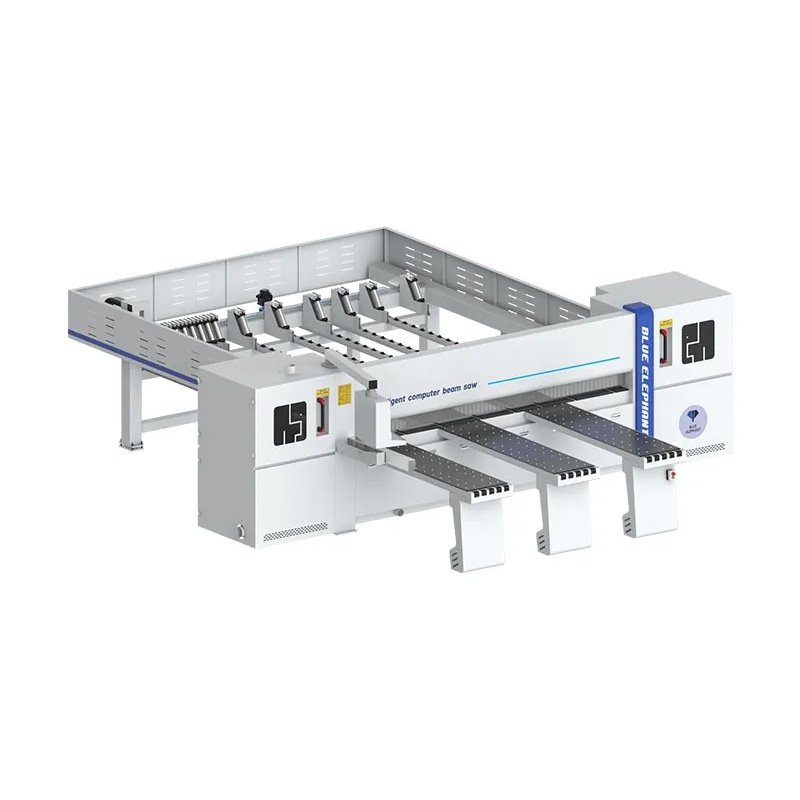
Combines INVT servo control, 100 m/min automatic feeding, and 150 m/min carriage return for high-speed panel processing.
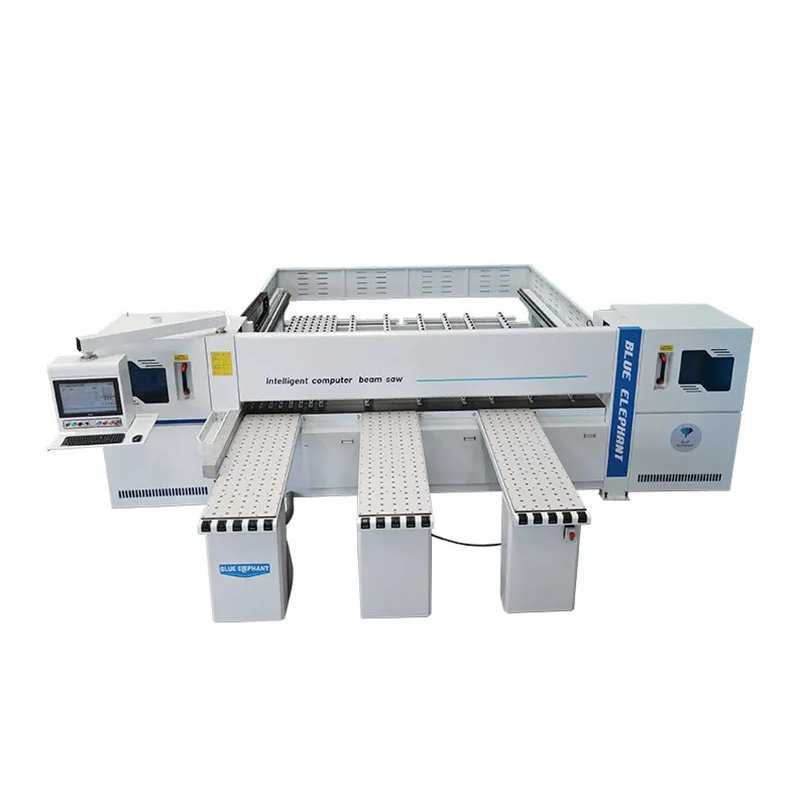
Cuts multiple layers up to 100 mm thick and supports optional nesting, remnants management, layout optimization, and barcode printing.
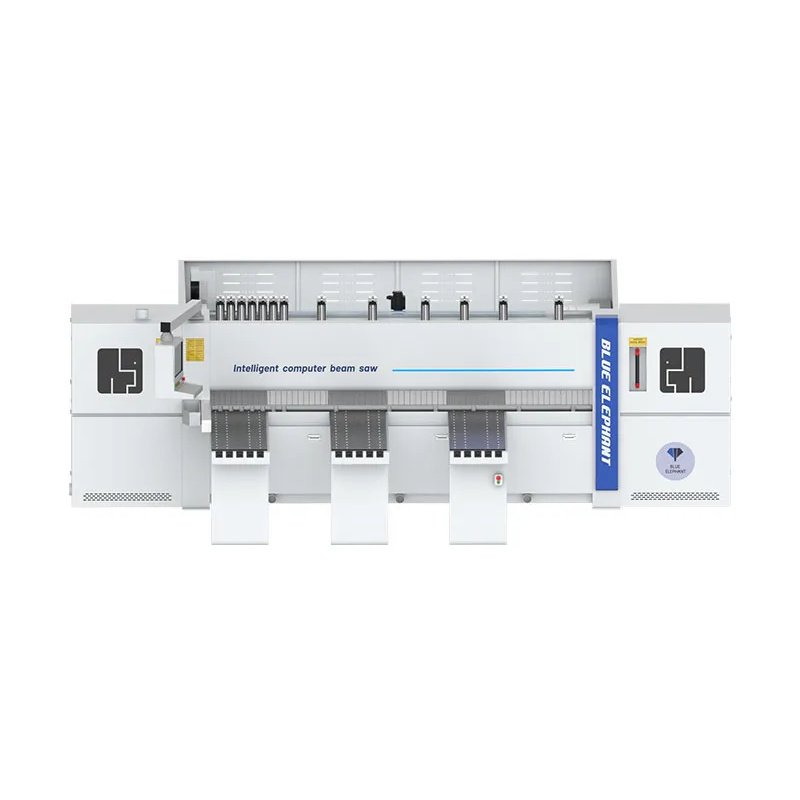
High-density welded and annealed construction for stable long-term operation, with optional remote monitoring for connected production management.
Why Choose Our Panel Saw Machine

The dual-blade design provides cleaner, more precise cuts, reduces chipping, and ensures a tighter, more aesthetically pleasing fit when assembling panels.

The adjustable sawing angle design enhances processing flexibility, allowing our machines to adapt to your various processing needs.

Our machines have a stable frame and precision manufacturing, providing shock resistance. They can maintain stable cutting accuracy, minimizing fluctuations in error.

Our equipment achieves a cutting accuracy of ±0.1 mm, which effectively reduces waste, improves the utilization of each board, and lowers your production costs.
Suitable for Different Scales of Production
ElephMax offers two types of panel saw machines suitable for production on different scales. Our sliding panel saw machines, also known as sliding table saw equipment, are semi-automatic and are ideal for small-scale production and customization, allowing for flexible adjustments to product specifications. If you require mass production, we offer beam panel saw cutting machines. These are fully automatic panel saws that require minimal manual intervention, reducing labor costs and delivering the high efficiency required for large-scale production, making them suitable for large factories. You can choose the appropriate industrial panel saw machine based on the scale of your orders.
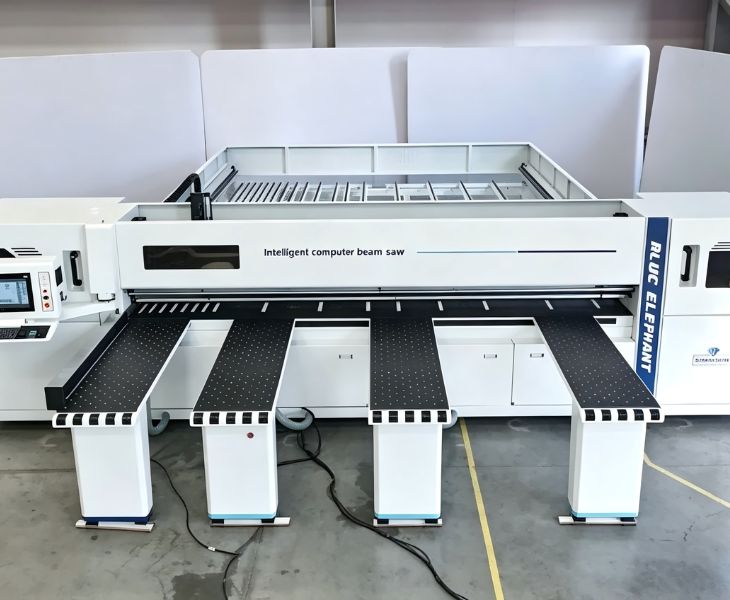
Improve Cutting Accuracy and Production Efficiency
Our panel saw machines have a high-rigidity frame and a precision guidance system. This ensures a stable cutting process and helps maintain cutting accuracy. The stable sliding table or automatic feed system allows panels to move more smoothly, reduces human error, and maintains consistent product quality. Compared to manual cutting, our equipment improves production efficiency and maintains steady output at different production speeds, helping with the next processing of your products.
Why Choose ElephMax?
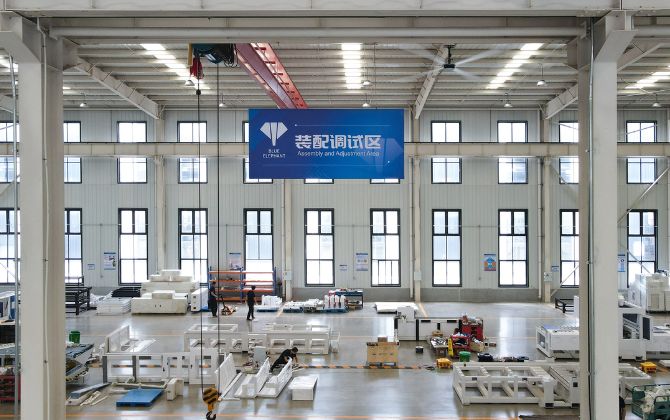

- Factory and Technical Team: 75,000 m² modern production base and a 500-person professional technical service team. 30+ locations worldwide to support panel saw machine installation and service.
- Rich Industry Experience: 16 years of experience providing customized panel saw machine solutions for more than 9,000 domestic and overseas manufacturers.
- Customization and OEM Available: Adjustable power levels and software integration, color and appearance styles. OEM solutions with your logo for market distinction.
- Reliable After-sales Support: 12-month warranty, 60-day trial period, plus lifetime technical guidance to support your custom panel saw machine operation.
Common Applications of Our Panel Saw Machines
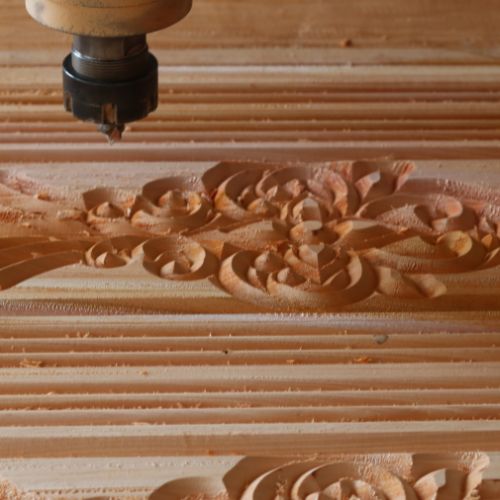
We offer automatic feeding panel saw models, which save on raw materials and reduce labor costs, making them ideal for this industry’s high order volumes and demand for high-speed mass production.
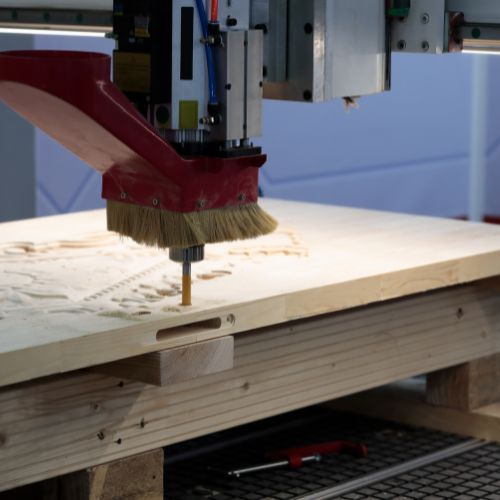
Our product is capable of both straight and miter cuts, meeting the needs of door panels and cabinet bodies. The 45° miter cut prevents chipping of the panel’s finish and reduces the need for subsequent sanding and rework.
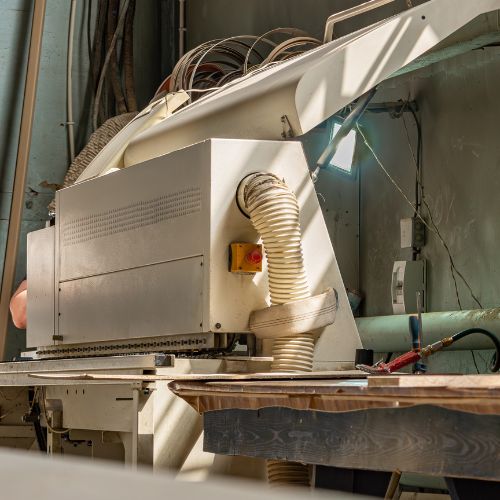
Our sliding panel saw machines have a small footprint and are easy to operate, making them ideal for decoration shops and small woodworking workshops with limited space and low-volume processing needs.
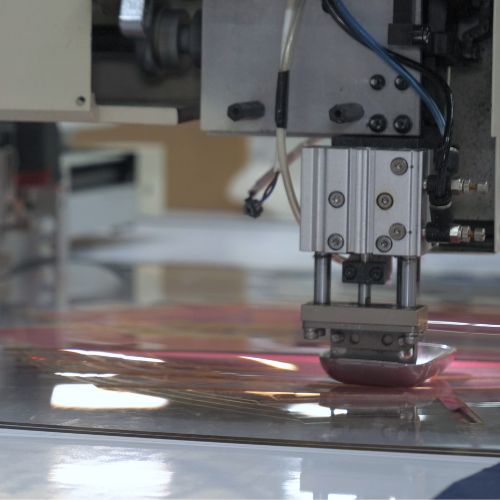
The acrylic and aluminum-plastic board materials used in the advertising industry are brittle and their surfaces are prone to scratches and damage. Our double-saw blade pre-cutting process protects the board, resulting in smooth, flat cuts and significantly reducing the scrap rate for expensive boards.
More About Our Company
- Certification
- Panel Saw Machines Video
- Specification
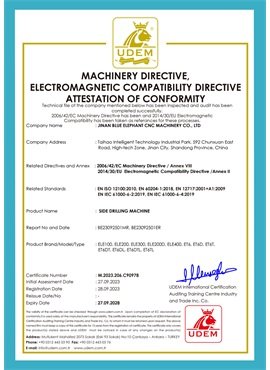
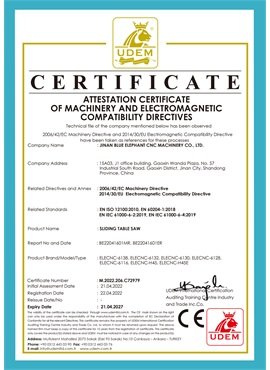
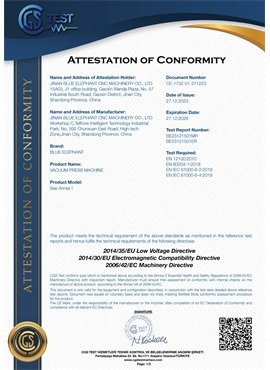
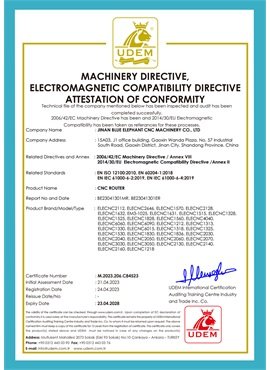
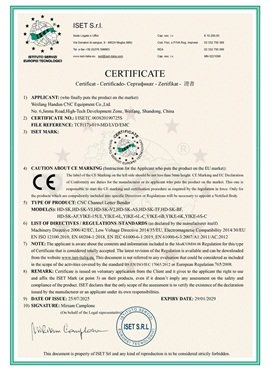
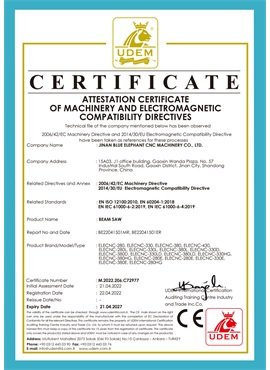
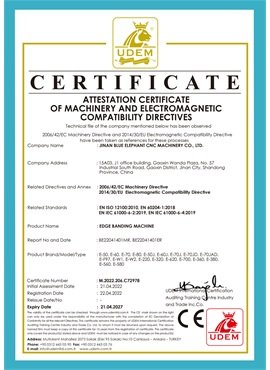
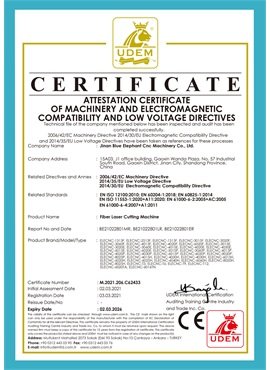
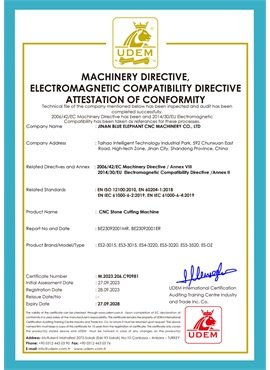
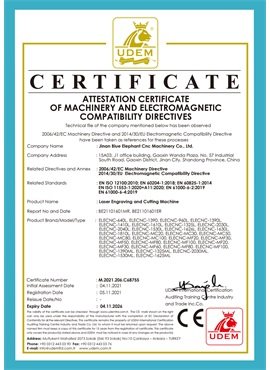
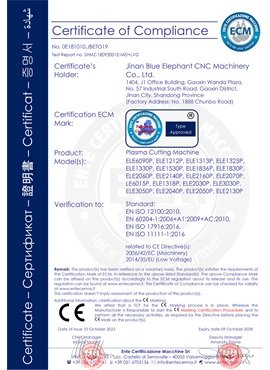
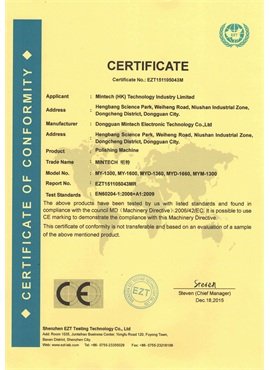
Over 120 patents and authoritative certifications, including CE, ISO9001, BV, SGS, and TUV, meet internationally recognized standards.


Watch our machine perform to create smooth, precise cuts.
| Item | Specification / Description |
| Product name | Panel Saw Machine |
| Machine type | Sliding Panel Saw Machines / Beam Saw Cutting Machines |
| Sliding Table Length | 2800 / 3200 / 3800 mm (Optional) |
| Max. Cutting Length | 2800–3800 mm (Depends on model) |
| Max. Cutting Width | 1250 mm |
| Max. Cutting Thickness | 80–100 mm(Depends on model) |
| Main Saw Motor Power | 5.5–7.5 kW(Depends on model) |
| Scoring Saw Motor Power | 0.75–1.1 kW(Depends on model) |
| Main Saw Blade Speed | 4000–6000 rpm |
| Scoring Saw Blade Speed | 7000–8000 rpm |
| Positioning Accuracy | ±0.1 mm(under standard operating conditions) |
| Suitable materials | MDF, Particle Board, Plywood, Melamine Board, Solid Wood Panels, Laminated Boards |
Regular maintenance helps ensure the panel saw operates accurately and extends its service life.
Daily maintenance includes removing wood chips from the machine, checking the saw blade for wear, and ensuring that the sliding table or guide rails operate smoothly. Moving parts should be lubricated regularly, belts and electrical connections should be inspected, and worn saw blades should be replaced as needed.
All of these help maintain cutting accuracy, reduce downtime, and ensure long-term and stable performance.
The main differences between a sliding panel saw and a regular table saw lie in their feed mechanisms, cutting precision, and intended applications.
A sliding panel saw is equipped with a precision slide that moves the board to be cut. If you’re working with large boards, this makes the process much easier and ensures greater cutting precision, making it ideal for producing panel-based furniture such as kitchen cabinets, wardrobes, and custom furniture.
With a regular table saw, you must manually push the board past the blade to complete the cut. This makes it more suitable for small woodworking projects or on-site construction.
Our sliding panel saw machine has two sets of saw blades: a smaller-diameter scoring saw at the front, positioned slightly below the main saw blade. The scoring saw makes a shallow cut on the surface to protect the laminate or veneer from chipping. It lightly scores the surface of the panel, pre-cutting the veneer or melamine laminate, allowing the main saw blade to make a clean cut through the panel without pulling the surface and causing chipping or peeling.
Choose a Machine Model Based on Production Scale
If you run a small workshop, you can choose a small table saw or a vertical panel saw to handle small, sporadic jobs. If you have many custom orders with varying specifications, a standard precision table saw is a good fit for you. If you need to handle mass production, choosing a CNC beam saw can save on labor and material.
Consider the Type of Material to Be Processed
If you plan to cut melamine panels, acrylic, or aluminum-plastic composite panels, you should choose a machine with dual saw blades to prevent chipping and peeling. If you only process solid wood or multi-layer solid wood panels, a basic single-blade model is enough and more cost-effective.
You also need to check whether the machine supports 0–45° bevel cutting if you require angled cutting.
Machine type and automation level are among the most important factors affecting price. Generally, the higher the level of automation, the higher the price. Cutting size and processing capacity are also factors; large-size, high-load industrial-grade equipment requires a more rigid frame, which also increases the price. The brands of key components also directly affect the price of the equipment. Additional features are another factor. Finally, your customization requirements will also affect the final price.
A panel saw machine will pay for itself if it reduces costs, increases output, improves quality, or helps your workshop secure more profitable jobs.
For a small furniture workshop, purchasing a panel saw machine is generally worthwhile if at least three of the following conditions apply:
- Cutting accuracy affects assembly speed.
- Material waste or rework results in financial losses.
- Your current equipment slows down delivery times.
- You rely too heavily on manual labor.
- You want to compete for larger markets.
- You need consistent production quality.
- You plan to expand your workshop within the next 1–3 years.
There’s no one-size-fits-all answer—it depends on your specific cutting needs. If you’re only cutting straight lines, have a limited budget, and are working with standard-sized panels in bulk, then a panel saw is the better choice.
If you’re doing whole-house customization and need to drill holes, cut grooves, create custom shapes, or perform integrated cabinet fabrication—and your budget allows—then a CNC router is the better option.
Our sliding panel saw machines can typically process around 150–250 panels per day under normal working conditions. And our automatic beam saw machines are designed for continuous production and can process 400–800 panels per day.