Choosing the wrong robotic arm can lead to unnecessary costs, reduced productivity and integration difficulties. Faced with a wide range of options, including articulated, SCARA, Delta, Cartesian and collaborative robots, manufacturers need to understand the differences between them before investing in an automation solution.
What Is a Robotic Arm?

A robotic arm is a motor-driven automated device capable of mimicking the movements of a human arm. Equipped with multiple joints and connecting rods, it executes accurate repetitive work including gripping, transporting, welding, and cutting under controller commands. The core value of a robotic arm is to automate repetitive tasks, improve production efficiency, and facilitate safer manufacturing operations. It is particularly well-suited to tasks that are physically demanding, hazardous, or require a very high degree of precision.
Main Types of Industrial Robotic Arms: Features & Differences
Articulated Robot Arms
This is the most common type of robotic arm in the industrial sector. It has five or more rotating joints, and its movement most closely resembles that of a human arm. It is one of the most flexible robotic arm types, offering a wide range of motion for complex industrial tasks.
Six-Axis Industrial Robot Arms
The six-axis industrial robot is the most common type of articulated robot. Six rotational axes provide the arm with extensive freedom of movement. It can execute almost any angular maneuver possible for a human limb. The six axes typically include base rotation, shoulder movement, elbow movement, and three wrist axes that provide orientation control. This configuration can handle most complex positioning and orientation tasks required in industrial automation. From arc welding and assembly to grinding, deburring, and palletising, this robot covers it all. It handles material handling and spot welding just as easily.
SCARA Robot Arms
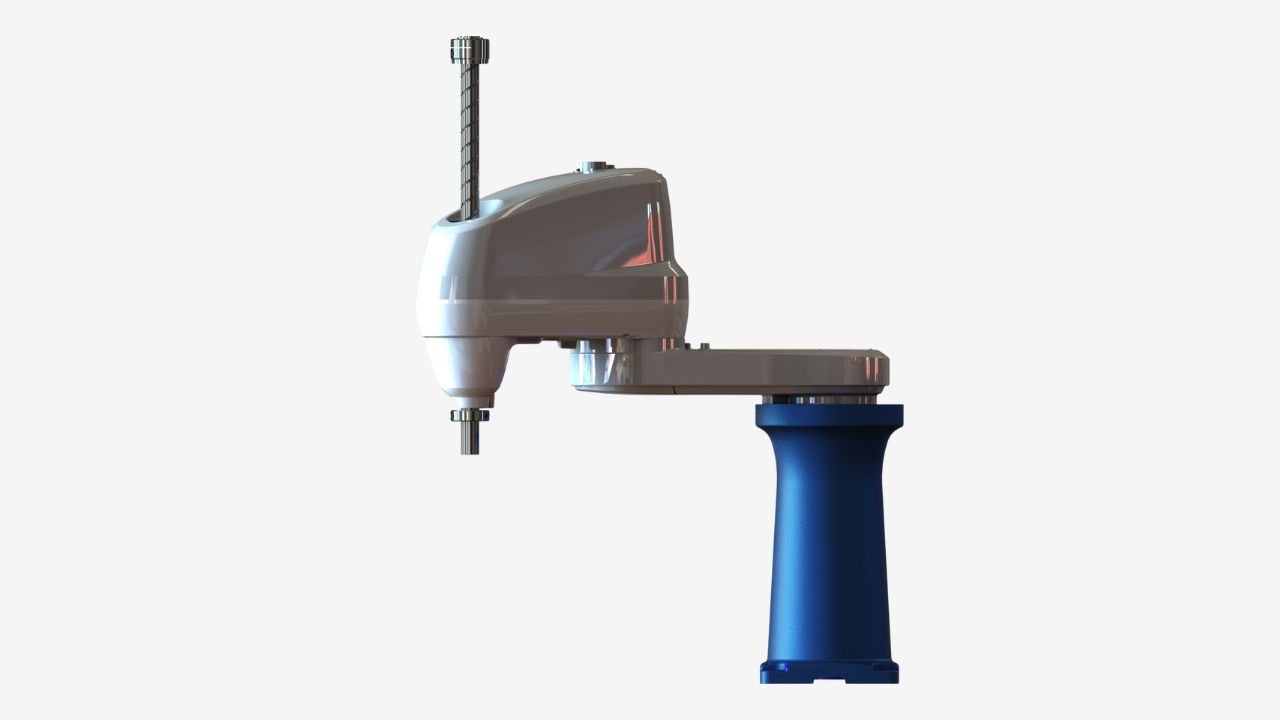
SCARA robots offer great flexibility in the horizontal plane and high rigidity in the vertical plane. This combination makes it highly efficient when operating on a horizontal plane. Common applications include assembly, dispensing, screwing, and the rapid picking and placement of small parts. These tasks typically occur in fields such as electronic component assembly, plastic processing, and small-part sorting. Compared to six-axis robots, SCARA robots typically have higher speed in repetitive horizontal assembly tasks. At the same time, they offer better cost-effectiveness and have excellent cost-performance in horizontal applications.
Delta Robot Arms (Parallel Robots)
The Delta is driven by three lightweight arms operating in parallel, and its structure is entirely different from the previous types. They are characterised by extremely high speeds but very low payload capacity, and are typically designed specifically for lightweight, high-speed applications. However, some models can support higher payloads. Delta robots are the most widely used solution for high-speed, lightweight pick-and-place applications.
Delta robots are specifically designed for certain high-speed applications, including food packaging, pharmaceutical sorting and electronic component placement. They are also ideally suited to production lines equipped with high-speed conveyor belts, where they can continuously retrieve and sort small items.
Cartesian Robot Arms
Cartesian robots, also known as gantry or portal systems, move along three mutually perpendicular axes (X, Y, Z). They feature the simplest structure, offering high rigidity and high precision. Compared with other types, they can achieve a large range of motion and also being mounted on the ceiling to save floor space. Due to their simple structure and few wear-prone components, maintenance costs are also low.
However, it offers the least flexibility of all types. It can only move in a straight line and is unable to perform curved movements or change direction. When there are significant changes to the workpiece position or the machining process, additional programming or tool adjustments may be required.
Collaborative Robot Arms
Collaborative robots are fitted with torque sensors. They use force and torque sensing systems to detect unexpected contact and trigger protective stops. They do not require a safety enclosure and can work alongside people in the same area.Where space constraints prevent the installation of safety guards, or where the process itself requires human-robot collaboration, collaborative robots are the appropriate choice.
Compared with traditional industrial robots, collaborative robots typically have lower speeds and payload capacities, but are easier to deploy and enable safer human-robot interaction. Therefore, if a safety enclosure is feasible, a traditional six-axis robot offers better value for money.
Other Types of Robotic Arms
Cylindrical Robot Arms
A cylindrical robot arm has a horizontal telescopic arm, a rotary axis around a vertical base, and a vertical axis along a column. This gives it three degrees of freedom and a cylindrical working space. This configuration was previously used in spot welding, paint spraying and basic material transport tasks. Its positioning accuracy and dynamic response speed cannot be matched with those of SCARA and six-axis robots. Therefore, designers seldom choose this solution for newly developed automation projects, and it is only kept for maintenance work on old production lines at present.
Spherical/Polar Robot Arms
Comprising a horizontal rotation axis, a vertical pitch axis and a radial telescoping axis, its working space forms part of a sphere. Compared with cylindrical coordinate robots, it adds an extra pitching degree of freedom and was once applied to welding and spraying tasks. Its complicated kinematic features lead to lower positioning accuracy and movement speed than modern six-axis joint robots, so it has been eliminated from mainstream industrial use. This configuration is not suitable for selection in your new project.
Advantages of Using Robotic Arms in Manufacturing
Improved Workplace Safety
Robotic arms can carry out tasks in work areas with risks such as high temperatures, dust, noise, toxic substances or mechanical hazards, thereby fundamentally preventing personnel from being exposed to hazardous environments. This helps to reduce workplace risks and minimise labour costs, insurance premiums and staff turnover associated with high-risk roles. After robotic arms take over production tasks, workplace accident risks will drop markedly.
Equipped with safety fences or safety light curtains, the equipment creates complete isolation between workers and machinery, protecting staff from harm during robot failures.
Higher Productivity
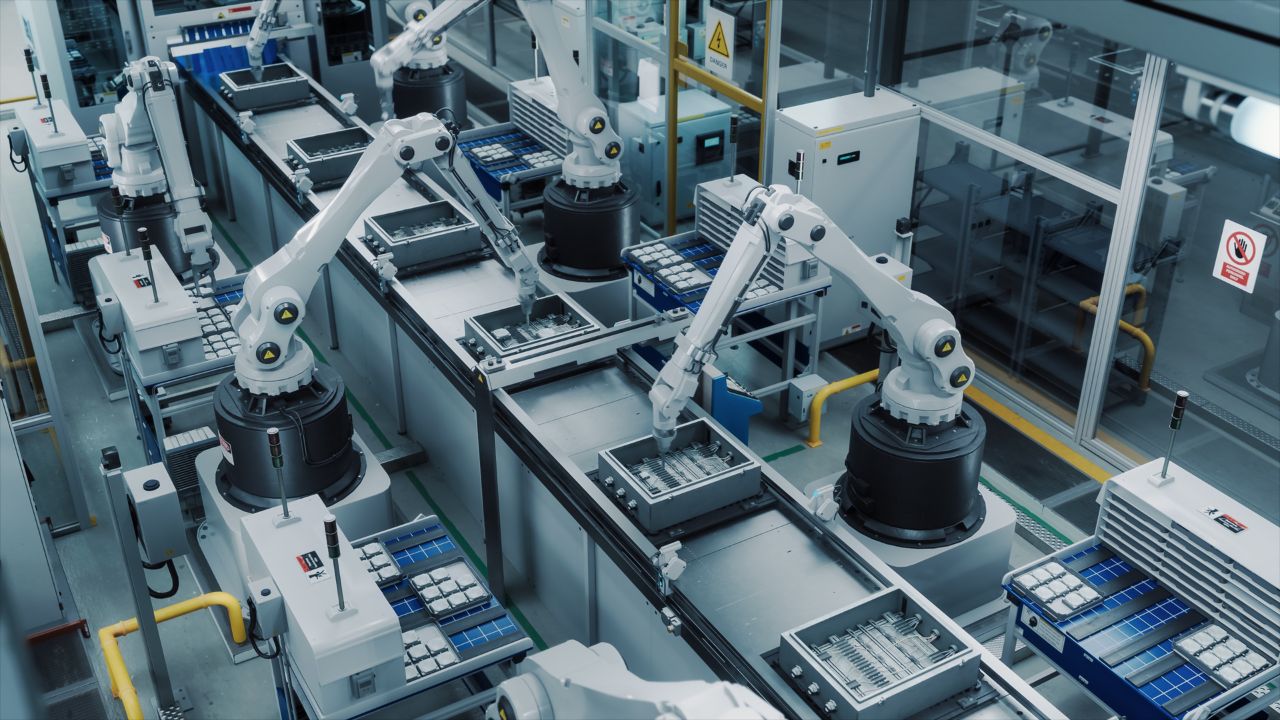
Robotic arms can operate continuously 24 hours a day, 7 days a week, requiring only periodic maintenance. There are no interruptions due to human factors such as fatigue, shift work or sick leave. A single robotic unit offers higher production efficiency and shorter cycle times than manual operation. It also operates stably and at high speed.
High Precision and Stable Consistency
Depending on the robot model and the specific application, repeatability typically reaches ±0.05 mm or higher. This ensures uniform positioning and consistent dimensions for all workpieces. The robotic arm delivers consistent product quality in high-precision processes such as assembly, welding, and cutting, significantly reducing rework and scrap rates.
Lower Operating Costs
Although purchasing and integrating these robots costs an upfront lump sum, yearly cuts on labor. Many manufacturers achieve ROI within several years depending on utilization, labor costs, and production volume. Meanwhile, the lower rates of waste and rework further reduce material wastage. With proper maintenance, industrial robotic arms can typically operate reliably for many years, even for over 10 years.
Greater Flexibility
Robotic arms can be reprogrammed to adapt to different production tasks, enabling a single machine to switch quickly between different orders. You do not need to design exclusive fixtures for new products, or hire and retrain operational staff. You can process products of various specifications on one production line, with the switchover time shortened from several hours to just a few minutes.
Common Industrial Applications of Robotic Arms
Automotive Industry Applications
The automotive industry is the sector with the largest scale of industrial robot applications and the most complex technology. These machines cover every core working procedure, such as arc welding, spot welding, coating, material transport, assembly, palletizing, and product inspection. Body welding demands extreme precision and consistency. A six-axis robot, when paired with a servo welding torch, can complete thousands of welds, with a quality better than manual operation.
If you operate in the automotive components supply chain, robotic arms can help you meet OEMs’ stringent PPAP and IATF 16949 requirements. These are essential criteria for gaining entry into the Tier 1 supplier system.
Electronics Industry
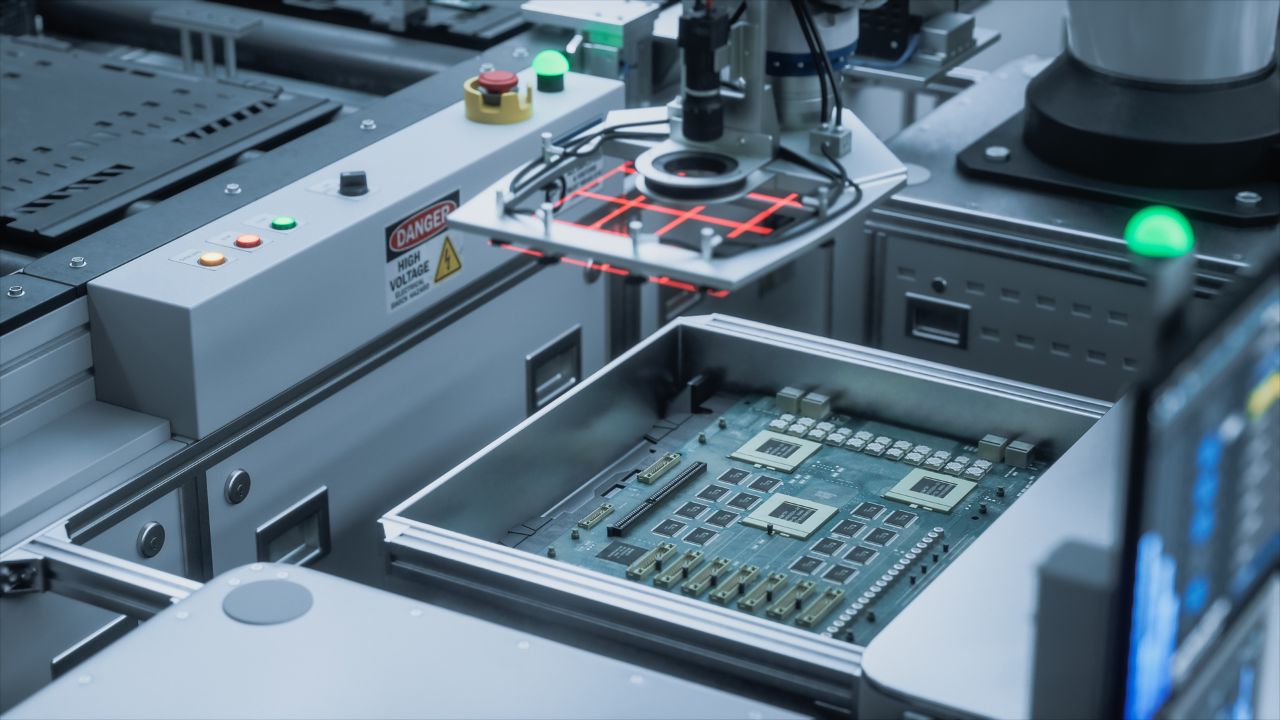
The manufacture of electronic products involves the mounting of micro-components, screw fastening, adhesive application, soldering, and high-precision assembly operations. Owing to their outstanding operating speed and positioning accuracy, SCARA robots and desktop six-axis robots have become the mainstream equipment in this field. In this industry, compatibility with cleanroom environments, anti-static design and compact construction are key considerations. For PCBA post-processing or the assembly of consumer electronics, robotic arms can effectively reduce electrostatic damage and placement deviations caused by manual operations.
Food and Packaging Industry
This industry mainly demands fast sorting, packaging and palletizing operations. Delta robots excel in speed and precision, so they are commonly used to sort and pack food items on conveyor belts. Meanwhile, articulated robots take charge of final palletizing and stacking work at the end of production lines. You must ensure that the equipment complies with food-grade hygiene standards, using stainless steel bodies and food-grade lubricants. On high-speed production lines for baked goods, dairy products, beverages or frozen foods, robotic arms have become the mainstream solution for meeting cycle time requirements.
Metal Processing
Cartesian and articulated robots are commonly used for workpiece handling between machine tools. They replace manual labour in repetitive loading and unloading, thereby avoiding occupational hazards from metal swarf and coolant.
For manufacturers producing metal components in batches, the introduction of robotic arms has significantly reduced the risk of workplace injuries. You need to check whether the robotic arm’s load capacity and working radius can match the operating scope of your machine tools, since these two parameters directly decide its compatibility with your current production lines.
FAQs
How to Select the Right Industrial Robotic Arm for Your Factory?
When selecting a model, three parameters must be clearly defined: the type of process determines the configuration, whilst the payload and working range determine the specific model. Six-axis robots should be selected for welding and painting; SCARA robots for horizontal assembly; Delta robots for high-speed, light-load sorting; and Cartesian coordinate robots for long-distance linear handling. At the same time, it is necessary to assess whether the on-site space meets the installation and safety isolation requirements, and to allow for a 5% to 10% load margin to ensure the long-term stable operation of the system.
Do Different Types of Robotic Arms Have Different Maintenance Requirements?
Yes, maintenance requirements vary considerably. For six-axis articulated robots, the gearbox lubricant must be changed approximately every 2,000 hours of operation, and the joint seals must be inspected. SCARA and Cartesian robots have relatively simple structures, and routine maintenance mainly involves lubricating and cleaning the lead screws and guide rails. Due to their compact parallel structure, Delta robots require more frequent inspection of the joint bearings and synchronous belts. In addition, collaborative robots require additional calibration of the zero-point position and the sensitivity of the torque sensors.
Which Robotic Arm Type Is More Energy Efficient?
Cartesian robotic arms have the lowest energy consumption. Servo motors utilising ball screws or rack-and-pinion mechanisms enable linear motion; the moving parts have low inertia, and the mechanical frame bears the load. SCARA robots rank second in terms of energy efficiency. Six-axis and Delta robots consume more power due to the coordination of multiple joints and frequent changes in position. Collaborative robots are equipped with safety monitoring systems that operate continuously and handle relatively light loads; consequently, their energy consumption per unit load is typically higher than that of traditional six-axis robots.
Are Collaborative Robots Better Than Traditional Industrial Robots?
They should not be compared in terms of ‘which is better’, as they are suited to different applications. Collaborative robots can coexist safely with workers without the need for safety barriers, making them ideal for confined workshop spaces and human-robot collaboration environments. However, collaborative robots operate at slower speeds, have lower payload capacities and are more expensive. By contrast, standard industrial robots offer fast movement, high payload capacities and better value for money, but require physical isolation and safety guards to operate. If your factory allows for the installation of safety fencing, traditional models offer better value for money.
Can Different Types of Robotic Arms Use the Same End-of-Arm Tooling?
Physical interfaces adhere to a unified set of common standards. Most robotic arm end-effectors use ISO 9409 standard flanges, whilst connections for pneumatic circuits and signal cables require custom adapter plates. However, actual performance is limited by the robot’s payload capacity and torque capability. Grippers or welding torches designed specifically for high-payload robots may cause SCARA or Delta robots to be overloaded. When selecting a model, the weight of the end-effector should be included in the payload calculation. Decisions should not be based solely on the robot’s rated payload capacity.
Which Robotic Arm Types Require the Least Installation Space?
Cartesian robots and Delta robots occupy very little floor space. The guide rails of Cartesian robots can be mounted overhead, thus taking up no floor space. Delta robots have an inverted conical working area, and their compact base only needs to be mounted on the overhead frame. SCARA systems have a small footprint, but space must be set aside within their working range to allow for rotation.
Final Thoughts
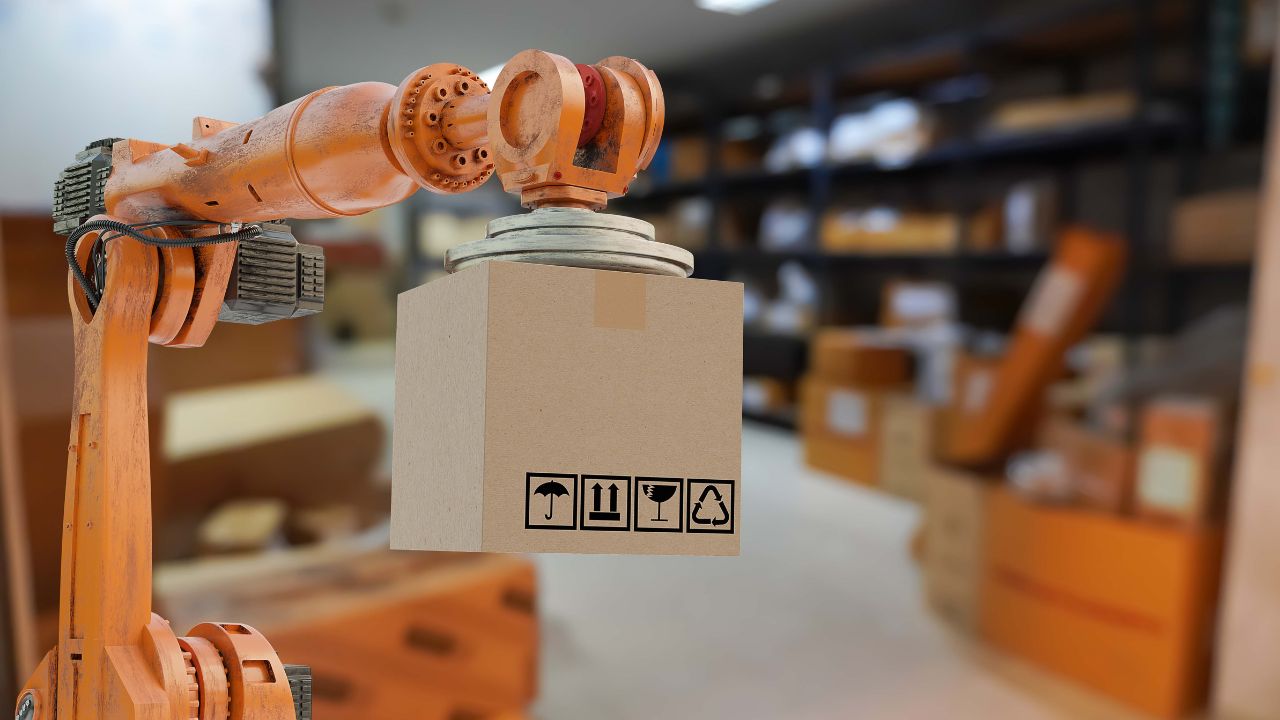
Selecting the right robotic arm is crucial for improving production efficiency, reducing operating costs and achieving reliable automation. Our team can provide bespoke robotic arm solutions tailored to your application requirements, including equipment selection, integration support and technical assistance. Contact us to find the most suitable automation solution for your business.