When selecting the right laser cutting machine, simply comparing equipment prices is not enough. Factors such as machine specifications, processing requirements, running costs, and long-term value all influence the total investment. Understanding these cost factors helps you make informed decisions and choose the right solution for your production needs.
Average Laser Cutting Machine Cost
| Machine Type | Power Range | Typical Price Range | Max Cutting Thickness | Typical Applications |
| Entry-level Fiber Laser Cutter | 1kW–3kW | $20,000–$50,000 | Up to 10–20 mm carbon steel | Small workshops, light metal fabrication |
| Medium-power Fiber Laser Cutter | 3kW–6kW | $50,000–$150,000 | Up to 20–30 mm carbon steel | Metal fabrication, industrial production |
| High-power Laser Cutting Machine | 8kW–20kW+ | $150,000+ | 30–50 mm+ carbon steel | Heavy plate processing, large-scale manufacturing |
Factors Affecting Laser Cutting Machine Cost
Laser Power
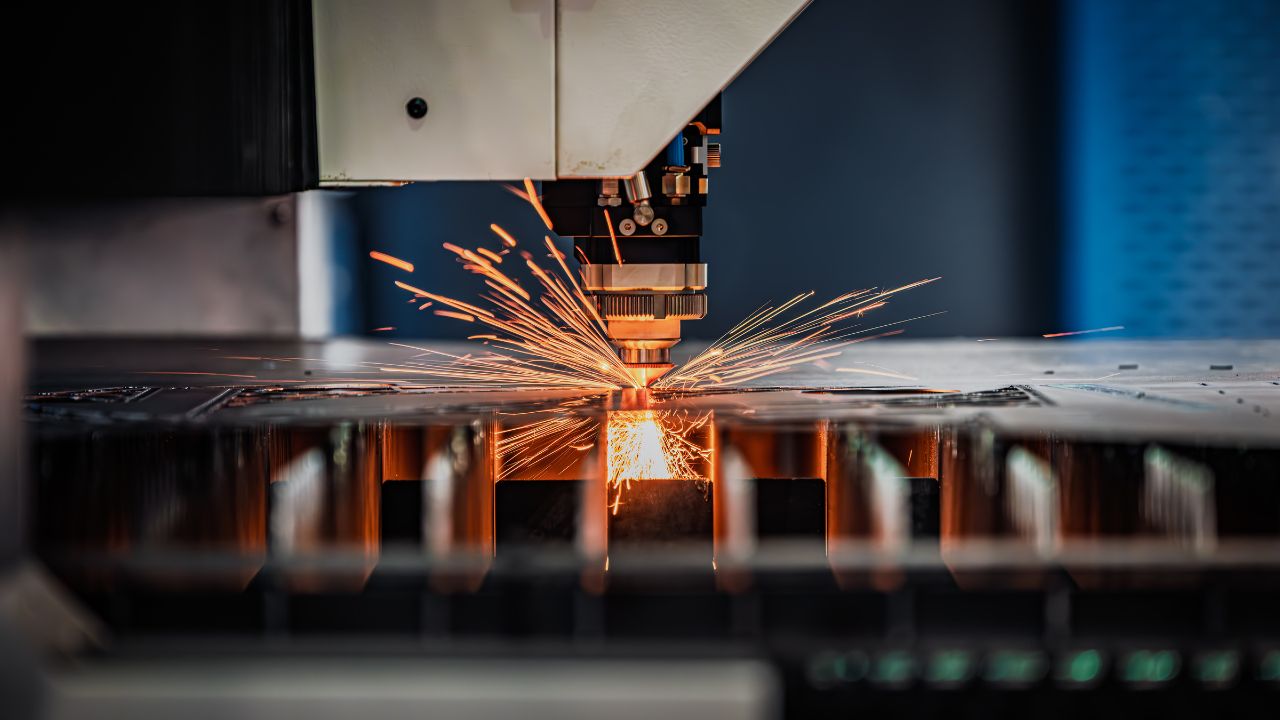
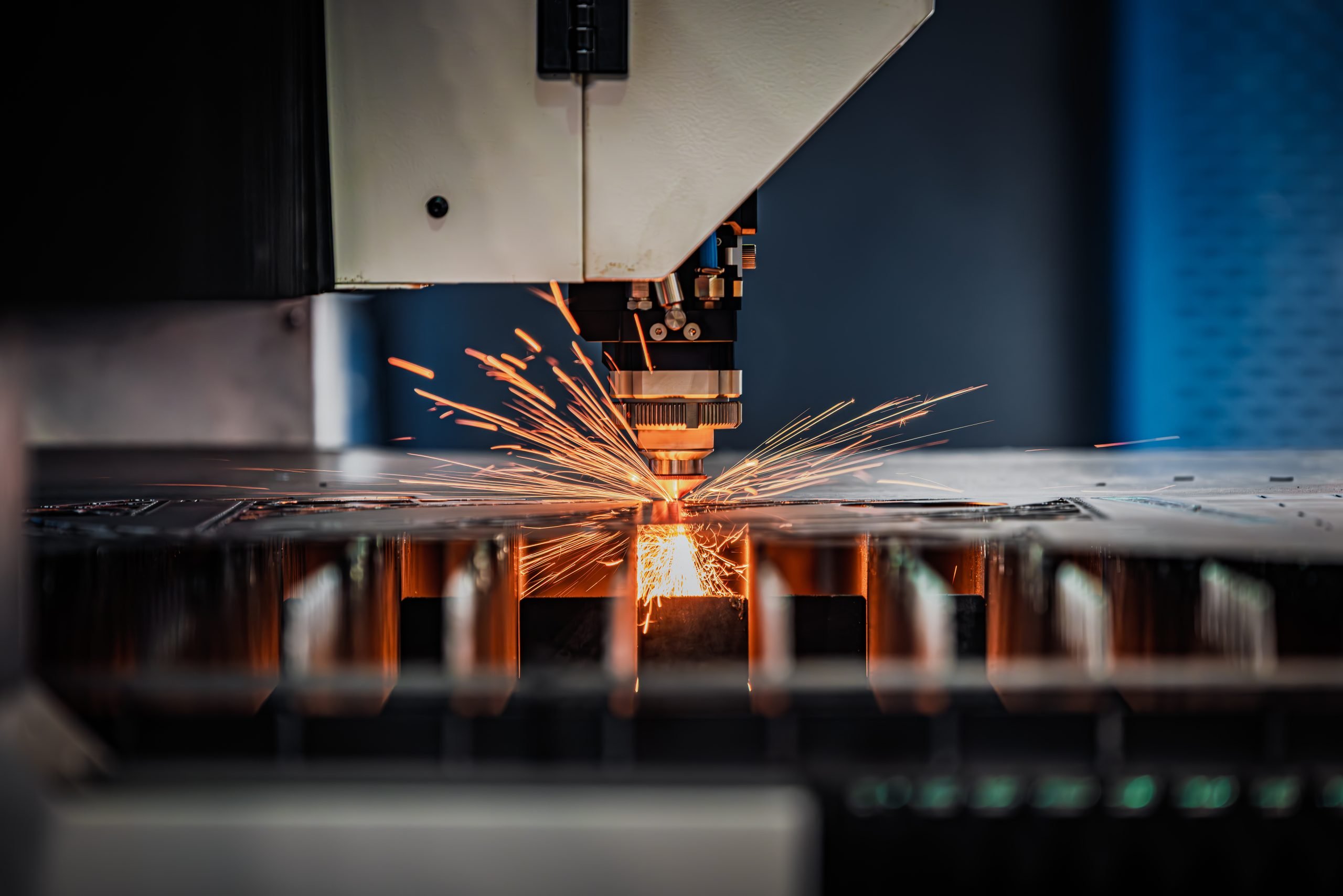
This usually accounts for the largest portion of the equipment cost. The output power directly affects the thickness of the metal sheets that can be cut, as well as the speed at which the machine completes the cutting operation. Increasing the laser power can significantly improve cutting speed, but the actual improvement depends on the type of material, its thickness, and the cutting parameters. You should first analyse the distribution of thicknesses of the metal sheets processed over the past year, identify the thickness range with the highest proportion, and select the appropriate output power accordingly.
Laser Source Brand
The laser brands currently available on the market can be categorised into several tiers. Leading international brands such as IPG and nLIGHT are significantly more expensive, but offer stable optical-to-electrical conversion efficiency and extremely low power decay. These devices are stable, highly efficient, and offer excellent long-term reliability, with an extremely low failure rate.
At the same time, many outstanding domestic brands have made rapid technological strides in recent years and offer excellent value for money. Leading brands have made significant improvements in recent years, providing competitive solutions for a wide range of industrial applications.
Cutting Head and Control System
The cutting head focuses the laser beam and controls the cutting process through precise positioning and gas flow control. Its autofocus speed, lens quality and focusing accuracy directly affect cutting quality and piercing efficiency. High-quality cutting heads from premium ranges such as Precitec or Raytools maintain a stable focus even during high-speed cutting, resulting in shorter piercing times. High-end systems can shorten the operator’s learning curve and reduce set-up time. In contrast, low-cost alternatives often trigger frequent alarms and are cumbersome to operate, indirectly driving up labour costs.
Machine Structure and Working Area
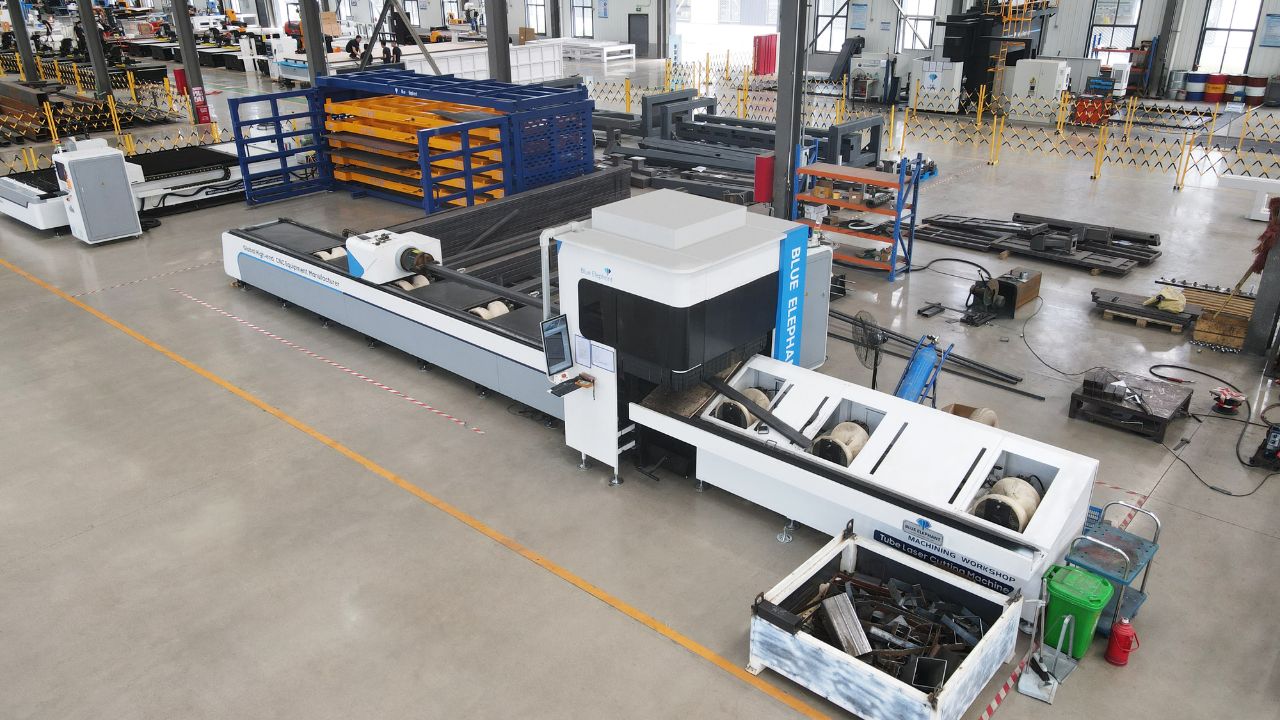
Laser cutting machines operate at high speeds throughout the year. Insufficient rigidity in the machine table can cause vibration during high-speed machining, thereby affecting cutting accuracy. High-quality tables are constructed from thick-walled steel tubes welded as a single unit and undergo rigorous stress-relief and ageing treatments. Standard tables require manual loading and unloading of workpieces, whereas a tool-changing table enables the machine to operate with virtually no downtime. However, this feature alone may add several thousand dollars to the investment cost.
Automation Level
The automated loading and unloading system enables a single operator to monitor two to three machines simultaneously, significantly reducing waiting times associated with manual handling and minimising safety risks. Intelligent nesting software automatically optimises sheet metal layouts, effectively improving material utilisation based on part geometry and nesting efficiency, thereby directly increasing the net profit from sheet metal processing. At the same time, the remote monitoring and order management system allows you to monitor the status and production progress in real time from the comfort of your office.
Additional Costs Besides Machine Price
Shipping and Installation
During the quotation stage, most customers focus solely on the price of the basic equipment, whilst overlooking the transport costs from the manufacturer to the factory warehouse. Laser cutting machines are heavy, precision-engineered machines; a single unit can weigh between five and six tonnes, or even exceed ten tonnes, and both the mode of transport and the distance travelled will have a significant impact on freight costs. Before signing a contract, it is essential to clarify the delivery terms and include transport and installation costs in the initial budget. These costs may account for a significant proportion of the total investment, depending on the destination and service requirements.
Consumables and Maintenance
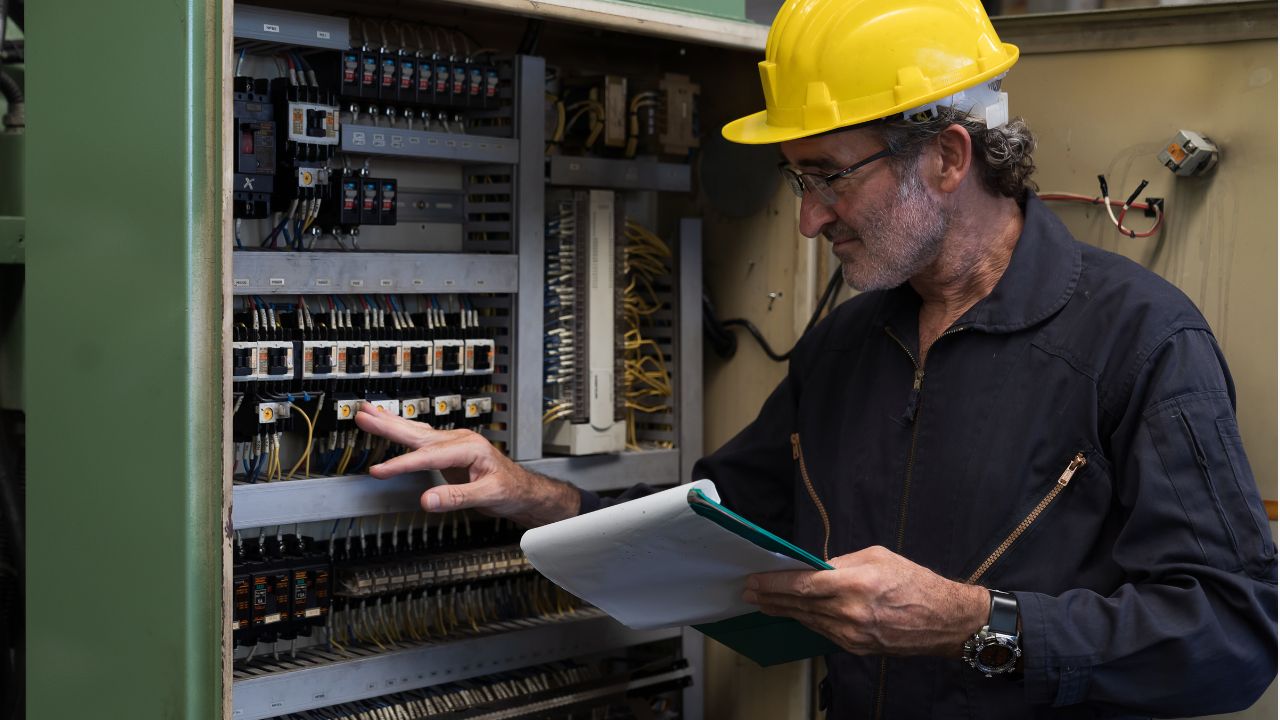
Once the equipment has been purchased, day-to-day operation will incur ongoing costs. Consumables such as protective lenses, nozzles and ceramic rings need to be replaced regularly. The largest expense is the auxiliary gas: oxygen is typically used for cutting carbon steel, whilst nitrogen is commonly used for processing stainless steel and aluminium to achieve a cleaner cut.
You should request a comprehensive list of consumables and their replacement intervals from your supplier, and calculate the annual costs. Though premium air compressors and freeze drying systems demand an upfront extra investment of $3,000–$4,500, the annual savings on gas expenses will easily outweigh this cost.
Spare Parts and After-sales Service
If equipment breaks down, the speed at which spare parts are supplied directly determines how long your production will be halted. Whether there is a stock of core spare parts in a domestic warehouse is a question you must clarify when selecting a supplier. Remote support can resolve most software issues, but if hardware fails, an engineer will need to visit the site. If your factory operates on a high-intensity two-shift system, we strongly recommend that you stock a set of key wear-and-tear parts on site in advance. An inventory costing several hundred to a few thousand dollars can help you avoid production downtime losses that may reach tens of thousands of dollars.
How to Choose a Cost-effective Laser Cutting Machine?
Material Type
First, decide what you’ll be cutting. Oxygen cutting produces a clean cut on carbon steel, while nitrogen or air produces a cleaner finish on stainless steel and aluminium. Copper and aluminum feature high reflectivity, requiring strict laser source protection, and not all laser devices can process these two metals. If you also need to cut wood or acrylic, a fibre laser won’t suffice—you’ll need a CO₂ laser. If you haven’t decided on the materials, all your subsequent efforts will be in vain.
Material Thickness
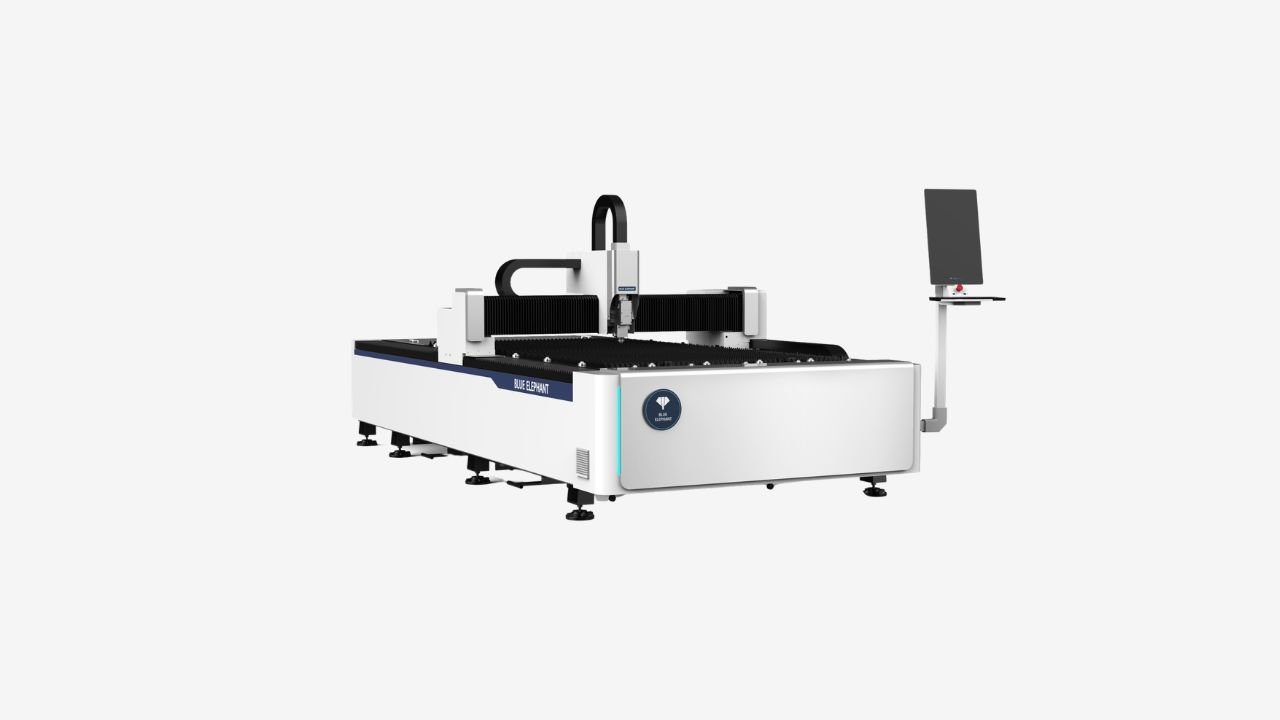
As more than 80 per cent of your work involves materials of a specific thickness, you should select the power rating. For materials up to 6 mm thick, a power rating of 1.5 kW to 3 kW is sufficient and offers the best value for money. If you regularly cut materials thicker than 10 mm, you should consider a power rating of at least 6 kW. A higher power rating is not necessarily better; the most economical option is to match the power to the thicknesses you typically work with. Blindly opting for a higher power rating will only result in unnecessary expenditure on purchase and depreciation costs.
Production Volume
For low-volume production and single-shift operations, a single-table machine with manual loading and unloading offers the best value for money. For high-intensity production across two shifts, while a machine with an interchangeable worktable and automatic loading and unloading may cost an extra hundred thousand or so upfront, the savings from not having to hire two additional operators will cover the cost within a year. If the equipment is running non-stop, the frequency and timing of maintenance must also be planned.
Budget
When drawing up a budget, don’t just look at the base price of the machine; the true total cost includes shipping, installation, consumables, spare parts and after-sales service. If your budget is limited, it is better to opt for a domestic brand with robust core components than to buy a machine with inflated specifications but substandard build quality. You must not skimp on these four key components: the laser, the cutting head, the control system and the machine bed; other features can be selected as required.
FAQs
How Much Can A Laser Cutting Machine Save Compared With Traditional Cutting Methods?
Traditional processing relies on shearing, stamping and plasma cutting, with each stage requiring manual intervention. Laser cutting consolidates these steps into a single process, offering high cutting speeds, eliminating the need for secondary trimming, and optimising nesting to save material. Overall, this reduces processing costs by 30 to 50 per cent, with greater savings achieved as production volumes increase.
Is A More Expensive Laser Cutting Machine Always More Cost-effective?
Not necessarily. The additional cost of high-end models is often reflected in brand premiums, higher power ratings and imported components. If your machining requirements do not necessitate these features, the extra money spent simply becomes dead weight. The key to value for money is not buying the most expensive model, but choosing a configuration that precisely meets your current needs and those for the next two to three years.
What Is The Total Cost Of Ownership For A Laser Cutting Machine?
Total cost of ownership comprises two main components: money spent and money consumed. Expenditure covers equipment fees, installation and delivery costs. Operational expenses consist of power, gas, consumables, and engineer service fees. Downtime-induced production losses should also be accounted for, as each hour of downtime equals lost earnings for that period.
What After-sales Support Should A Laser Cutting Machine Supplier Provide?
The core of after-sales service is not about repairing machinery, but about ensuring production continues. You need your supplier to fulfil three requirements: Resolve faults remotely instead of waiting for on-site service. Maintain local spare parts inventory and specify guaranteed engineer response times clearly. Furthermore, training at the time of handover must be thorough. Only when your workers can operate the equipment independently and resolve minor faults themselves can the handover be considered truly complete.
How Long Does A Commercial Laser Cutting Machine Typically Last?
A design life of 8 to 10 years is the industry standard. However, this is subject to one key condition: proper maintenance must be carried out. The optical path system must be cleaned regularly, the guide rails must be lubricated on schedule, and the cooling system must be checked frequently. Furthermore, high levels of dust in the workshop and significant fluctuations in temperature and humidity can shorten the actual service life. To ensure a long service life, both the environment and maintenance are essential.
Final Thoughts
Selecting a laser cutting machine is a long-term investment that requires careful evaluation of equipment performance, production needs, and overall ownership costs. By understanding key cost factors and comparing suitable solutions, industrial buyers can choose a machine that delivers reliable performance and better value over time.