Choosing the wrong laser cutting machine can lead to slow production, higher operating costs, and missed business opportunities. With so many options available, finding the right equipment for your manufacturing needs is not easy. This article helps you identify the best laser cutter for your business.
Different Types of Laser Cutters
Fiber Laser Cutters
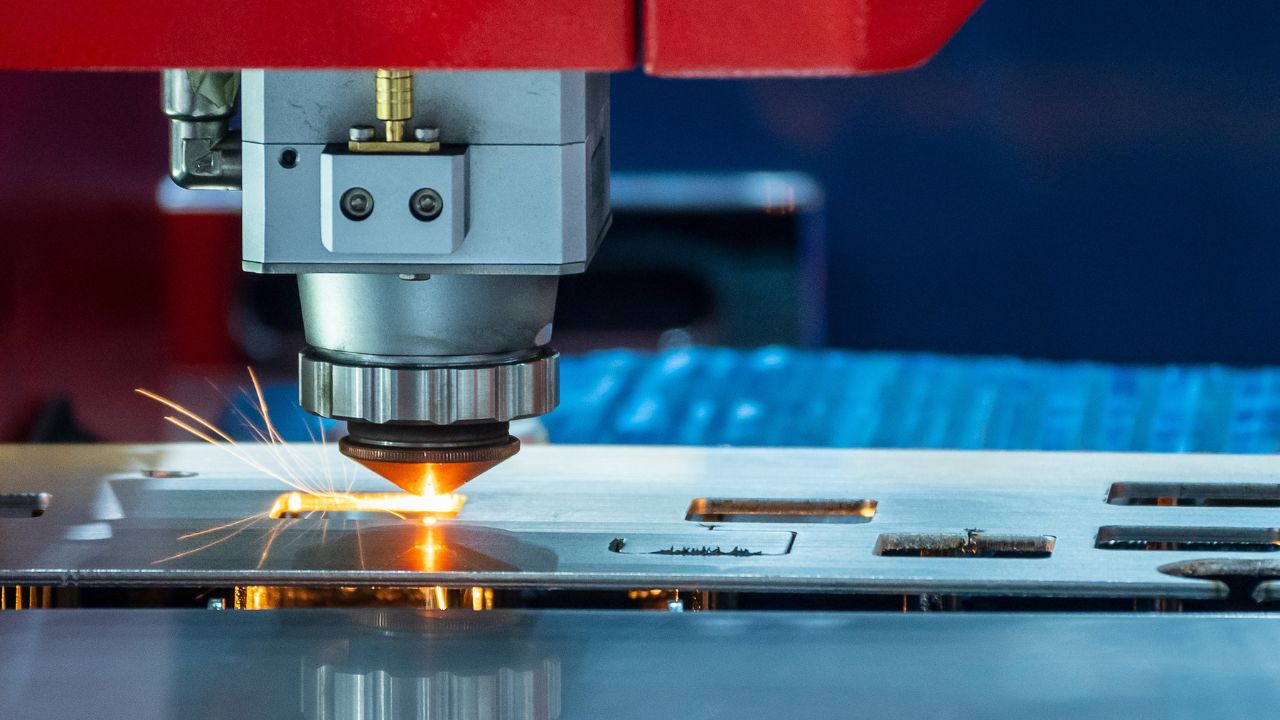
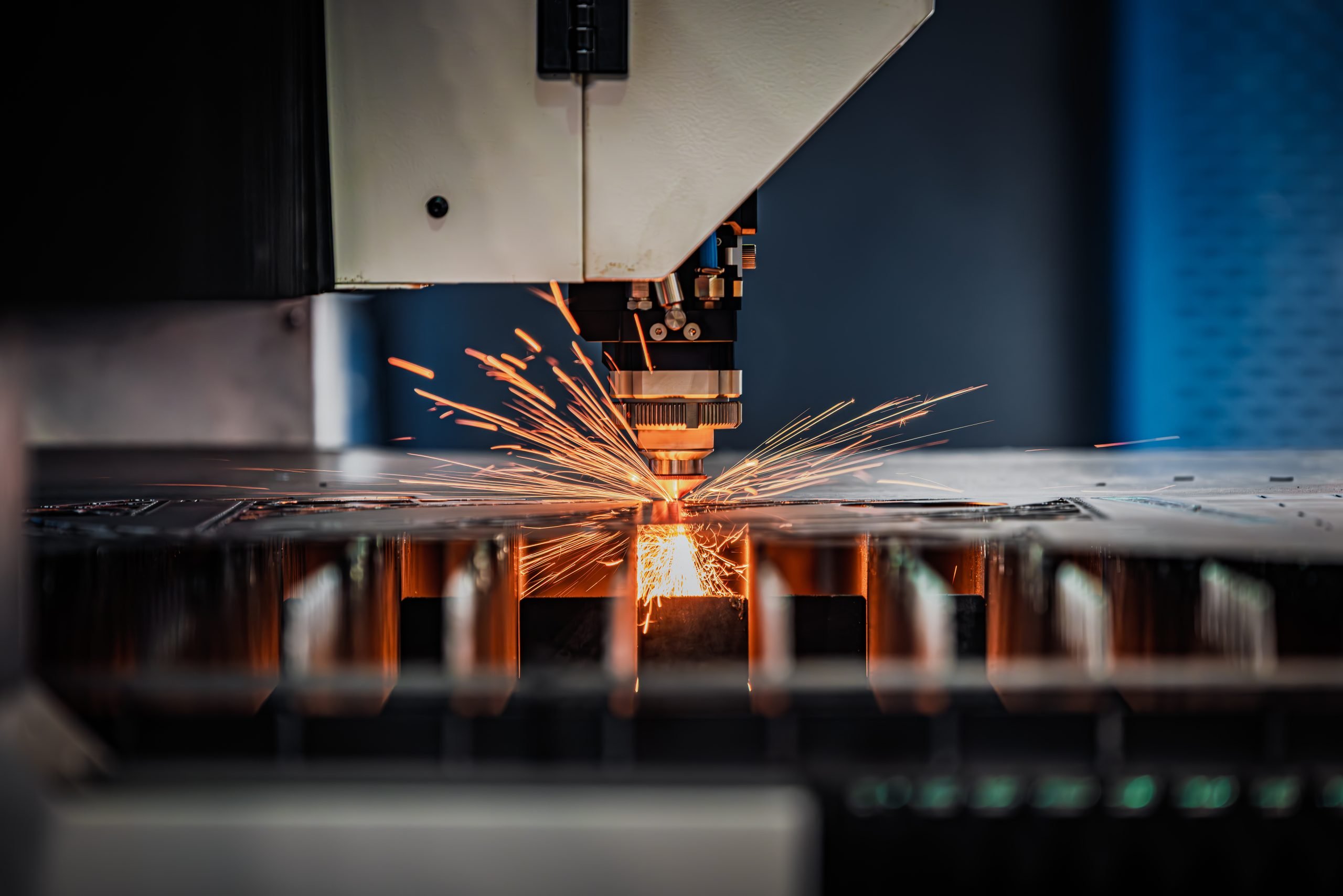
Fiber laser cutters are designed mainly for metal processing. They provide high cutting speeds, excellent edge quality, and low operating costs. They are suitable for stainless steel, carbon steel, aluminum, copper, and galvanized steel. If you are engaged in metal processing, this machine type is usually the preferred option.
Sheet Metal Laser Cutters
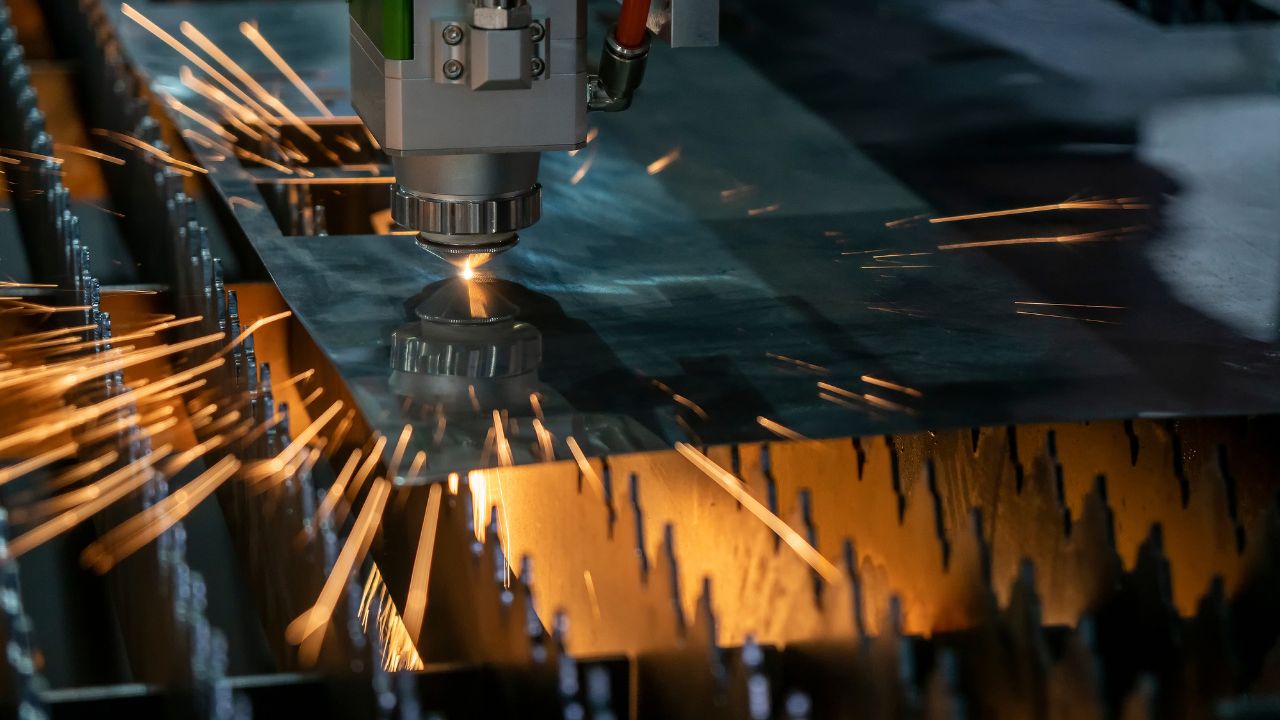
Sheet metal laser cutting machines are specialized models designed for fiber lasers to cut flat metal sheets. High-quality industrial machines typically offer positioning accuracy of around ±0.03 mm, depending on the machine configuration. For batch processing of standard sheet metal, dedicated machines are recommended over combined equipment. Such standalone equipment maintains higher precision during long-term operation and boasts a lower failure rate.
Tube & Pipe Laser Cutters
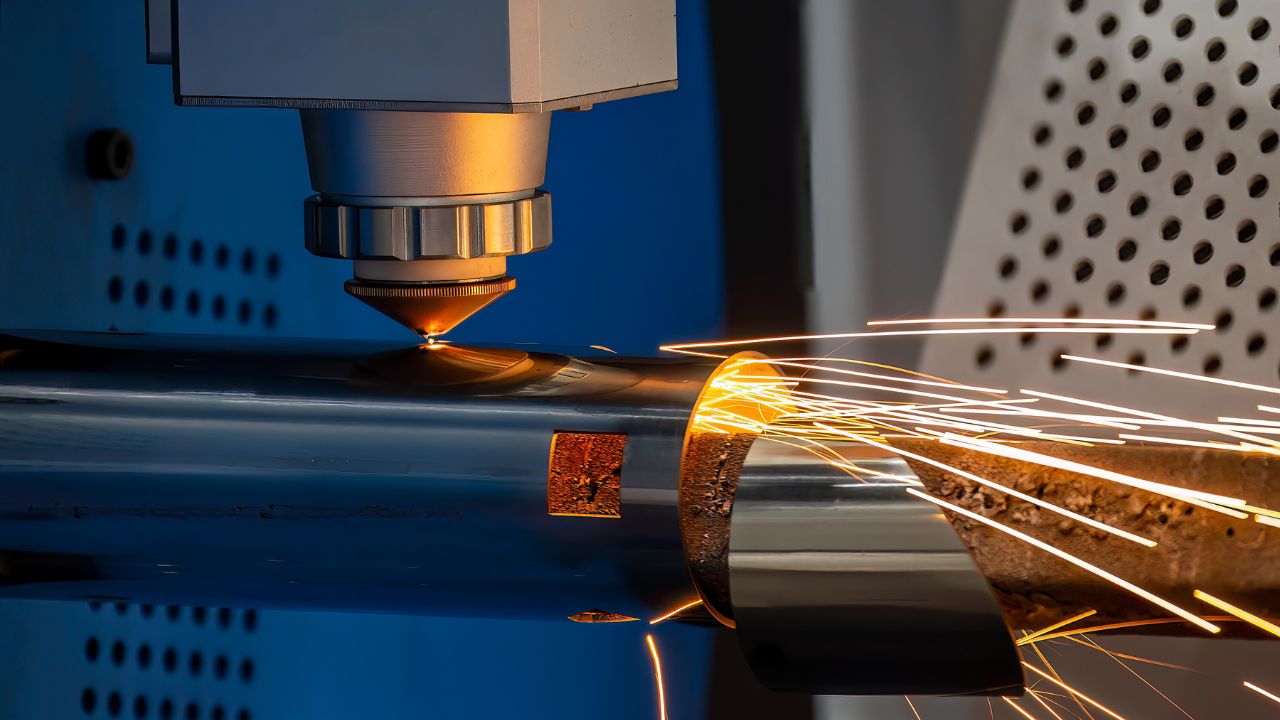
The tube laser cutting machine is equipped with a rotating chuck. It can process round tubes with diameters ranging from 20 to 350 millimeters, as well as square tubes, angle iron, and other profiles, completing cutting, hole drilling, and bevel cutting in a single setup. If tubes account for more than 70 percent of your work, a dedicated tube cutting machine is a suitable choice.
Sheet & Tube Combo Laser Cutters
This laser cutter handles both sheet and tube processing. Manual setup changes take 15 to 30 minutes, while automatic setup changes can be completed with a single button press. Your orders cover various products and require frequent parameter resetting. This dual-function machine cuts your production investment by replacing two separate devices. You’ll need to accept that the working area and precision are slightly lower than those of dedicated machines. If a single product category accounts for more than 80% of your production, please choose a dedicated machine.
CO₂ Laser Cutters
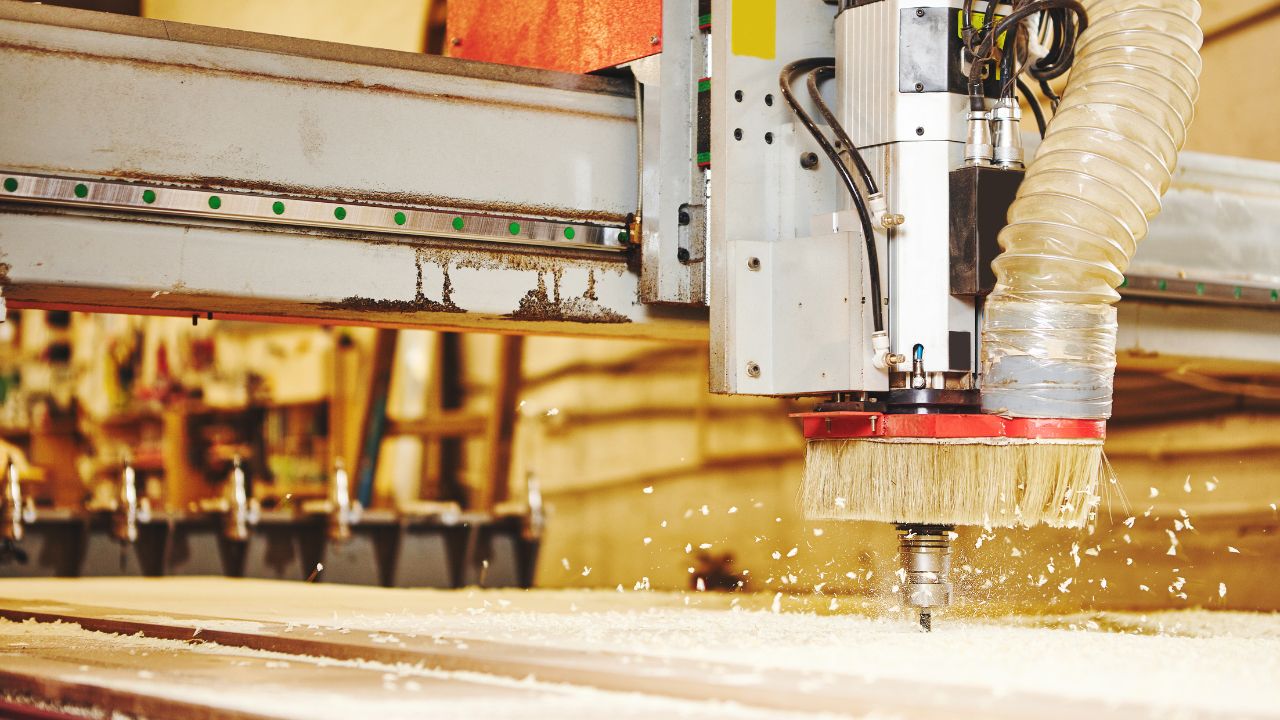
A CO₂ laser cutting machine is a gas laser with a power range from tens of watts for engraving applications to several kilowatts for industrial cutting. It can process wood, acrylic, leather, fabric, paper, rubber, and can engrave certain glass materials.
It produces smooth, burr-free cut edges and can cut acrylic up to 30 millimeters thick and wood up to 25 millimeters thick. CO₂ laser cutters are mainly used for non-metal materials and are not commonly selected for metal cutting applications.
If your business primarily deals in non-metallic products, the CO₂ model is the preferred choice.
Precision & Specialty Laser Cutters
Precision special laser cutters use UV and ultrashort-pulse lasers. They use the principle of cold ablation, resulting in a heat-affected zone of less than 10 micrometers and leaving the material edges free of carbonization, melting, or thermal deformation. They can achieve positioning accuracy of up to ±0.01 mm, depending on the machine configuration. They can process copper-clad PCBs, FPC flexible circuits, ceramics, sapphire, glass, and medical catheters. They are not suitable for high-speed cutting of thick metal sheets. If your products are sensitive to thermal damage and the premium per unit can cover the equipment’s depreciation costs, this machine can help you gain a competitive edge over your peers.
Key Factors When Choosing the Best Laser Cutter
Laser Power and Cutting Capacity
Laser power should be selected based on the material type and the maximum thickness you regularly process. Choosing excessive power increases investment costs, while insufficient power may reduce efficiency and limit future production. Models with a power output of 6 kilowatts or more are suitable for materials thicker than 25 millimetres. You can calculate the minimum laser power required based on the maximum thickness of the materials you process daily, and allow for an additional 20 per cent power margin to cater for the occasional need to process thicker sheets.
Cutting Speed, Precision, and Repeatability
The cutting speed determines the machining time per product, whilst accuracy and repeatability determine product consistency and output. Industrial-grade equipment typically requires positioning accuracy within ±0.03 millimetres and repeatability within ±0.02 millimetres. Suppliers should provide you with detailed reports of actual measured cutting speeds and accuracy, rather than merely theoretical figures from brochures. Actual performance may vary depending on machine structure, material thickness, and operating conditions.
Machine Frame Structure and Stability
The rigidity and stability of a machine tool’s bed determine its ability to maintain accuracy throughout its service life. A heavy-duty welded bed that has undergone stress-relief annealing can effectively withstand the impacts and thermal deformation caused by high-speed movement. You should pay particular attention to the thickness of the bed’s steel, the welding process and the machining accuracy of the guideway mounting surfaces. A high-quality welded bed is more than sufficient to meet the production requirements of routine industrial cutting operations. For most industrial cutting applications, a high-quality welded steel bed provides sufficient rigidity and long-term stability.
Core Components and System Quality
The laser, cutting head, servo motors, gearbox, guide rails, and control system collectively determine the equipment’s failure rate and maintenance costs. Leading imported laser brands include IPG and nLIGHT, while domestic names like Raycus and MAX now deliver comparable performance in standard power ranges. For cutting heads, we recommend Raytools, Precitec, or WSX; for control systems, Cypcut or Weihong; for servos, Yaskawa or Fuji; for reducers, Shimpo or Neugart; and for guide rails, HIWIN or TBI. We advise you to request a full list of core component brands from your supplier, along with warranty terms and replacement costs for each item.
Working Area and Productivity Features
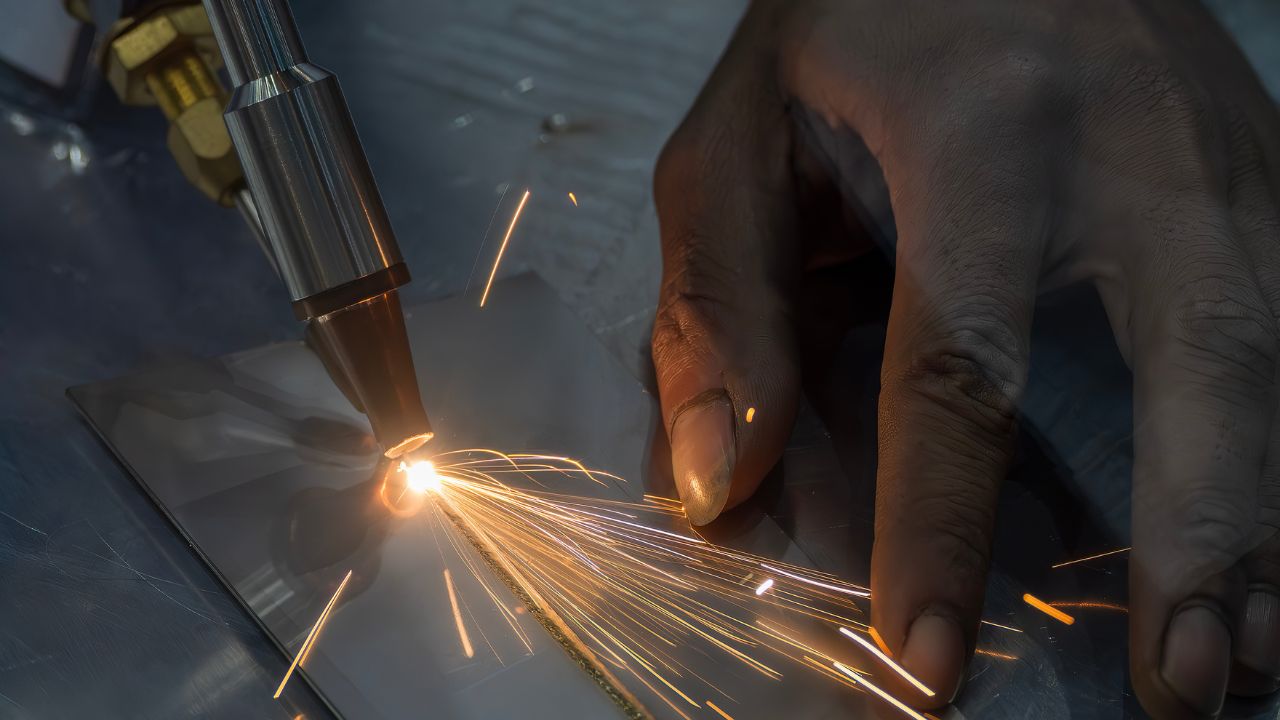
The dimensions of the worktable determine the maximum machining area, and the tool-changing worktable and automatic loading/unloading system determine the machine’s capacity for continuous operation during batch production. The standard sheet metal worktable measures 1.5 metres by 3 metres, and common cutting strokes for tube cutting machines are 3 metres, 6 metres and 9 metres. The tool-changing worktable can reduce loading and unloading times to less than 30 seconds.
Safety and Ventilation Requirements
Laser cutting involves many safety hazards, including radiation exposure, harmful fumes, and high-voltage electrical systems. Industrial laser cutters are classified as Class 4 laser systems and require protective enclosures, safety interlocks, and proper ventilation. The fumes generated during the cutting process contain fine particulates and harmful gases.
Therefore, an extraction system or fume purification unit with sufficient airflow must be provided. Safety protection and ventilation systems should be included within the scope of the complete equipment package, and integrated safety designs should be prioritised to ensure the equipment passes safety inspections.
Best Laser Cutters for Different Industries
Metal Fabrication Industry
Metal fabrication companies often need to process large volumes of sheet metal while maintaining consistent quality and short delivery times. Fibre laser cutting machines are standard equipment, typically with a power output ranging from 3 to 6 kilowatts. When paired with a shuttle table, they enable continuous batch production.
If your production involves tube processing, it is recommended that you select either a dedicated tube cutting machine or a multi-functional all-in-one machine, depending on the proportion of tube processing in your total output. When tube processing accounts for more than 70 per cent of your output, it is more cost-effective to opt for a dedicated tube cutting machine.
Automotive Parts Manufacturing
The manufacture of automotive components involves the cutting and processing of a wide range of metal tubes and sheets. These applications require extremely high precision and consistency throughout the production process. Fibre laser cutting machines equipped with automatic loading and unloading systems have become the mainstream production solution. These systems typically operate within a power range of 4 to 6 kilowatts and can meet the demanding processing requirements of high-strength steel and aluminium alloy materials.
Woodworking and Furniture Industry
The woodworking and furniture industries make extensive use of a variety of substrates, including solid wood, plywood, medium-density fibreboard (MDF) and particleboard, typically ranging in thickness from 5 mm to 30 mm. CO₂ laser cutters have become the solution of choice in this sector, producing clean, burr-free cuts directly from the machine without the need for subsequent sanding.
If your production involves engraving logos or alphanumeric signage, CO₂ laser systems offer a dual-purpose solution. The same machine can be used interchangeably for both cutting and engraving, thereby avoiding the need to purchase dedicated, separate equipment.
Sign Making and Advertising Industry
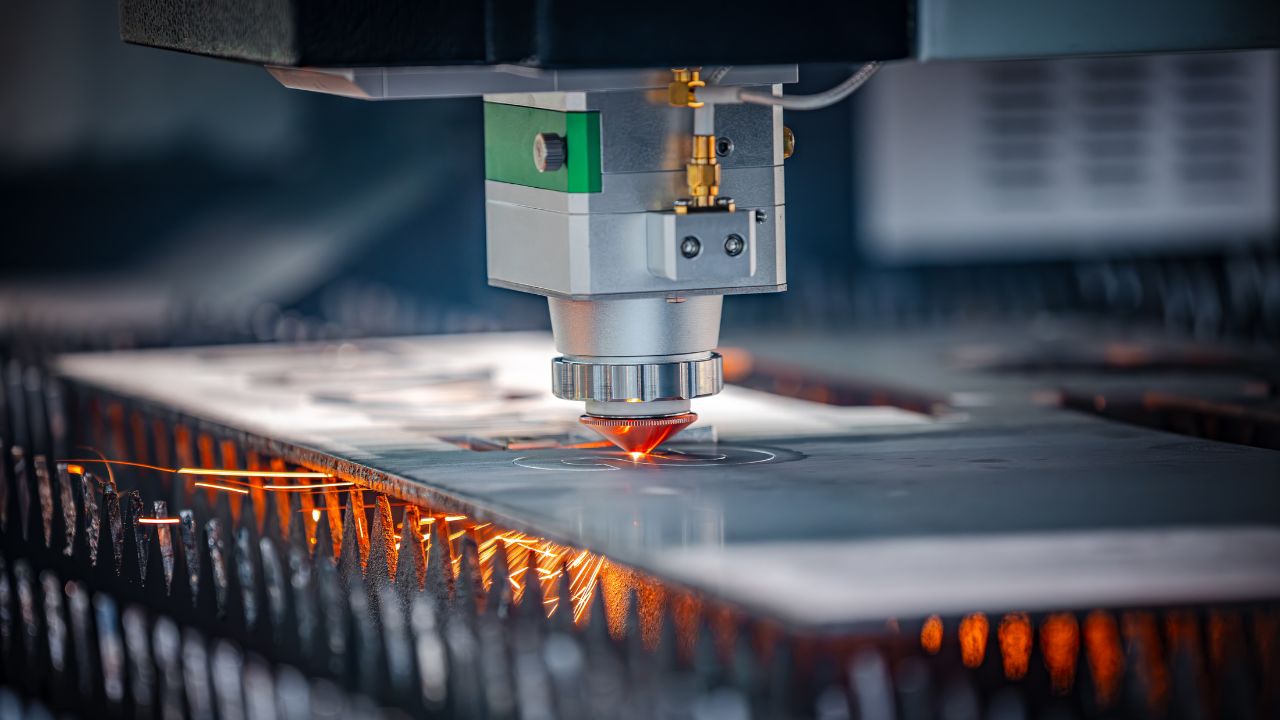
The signage industry primarily uses materials such as acrylic, PVC foam board, two-colour board, thin stainless steel sheet and galvanised steel sheet. These materials are diverse and relatively thin, and require frequent changes between different types of operations. For cutting and engraving non-metallic materials, CO₂ laser cutters are typically used, as they produce clean, transparent edges that require no polishing. For stainless steel and galvanised steel sheets, fibre laser cutters are employed; a power range of 1 to 3 kilowatts is sufficient to meet requirements. If you wish to process both types of material using a single machine, a dual-source platform may be considered.
Electronics and Precision Manufacturing
Precision electronics manufacturing involves the stripping of copper foil PCBs, the cutting of flexible printed circuits (FPCs), and the precision cutting of metal shielding enclosures and heat sinks. These processes place extremely high demands on thermal control and machining accuracy. UV laser cutters use cold ablation, producing neither carbonisation nor melting, and can meet micron-level accuracy requirements. UV lasers are commonly used for precision processing of electronic materials, while fiber lasers are used for metal cutting applications depending on thickness.
Jewelry and Custom Products
The materials used in the jewellery and personalised customisation industries include precious metals such as gold, silver and platinum, as well as stainless steel, titanium alloys, wood and acrylic. These products typically feature small processing areas, complex designs, and high-precision requirements. Fibre laser marking machines are suitable for engraving and marking on metal surfaces. CO₂ lasers are suitable for cutting and engraving personalized gifts made from wood and acrylic. UV lasers can engrave directly inside glass and crystal.
FAQs
How Much Does an Industrial Laser Cutter Cost?
The price of industrial laser cutting machines ranges from tens of thousands to several million yuan, depending primarily on the type of laser and its power output. Prices vary widely depending on power, configuration, automation level, and brand. In China, entry-level fibre laser cutters with a power output of 1–3 kilowatts are priced at approximately $28,000 to $70,000, whilst imported equivalents range from $85,000 to $140,000. High-power machines of 6 kilowatts or more typically exceed $210,000. When selecting power output and configuration, an assessment should be made based on material thickness and production throughput, and the budget should be determined in conjunction with the return on investment cycle.
Is Buying a Laser Cutter Better Than Outsourcing Cutting Services?
Outsourcing on a piece-rate basis involves a lower initial investment but higher long-term costs. Purchasing your own equipment, on the other hand, requires a significant upfront capital outlay. However, when producing on a large scale, this can significantly reduce unit costs whilst giving you independent control over lead times and product quality. Firstly, assess your break-even point based on your average monthly output. Businesses with stable production volumes usually recover their investment faster than companies with occasional cutting needs.
Can a Laser Cutter Run Continuously for Industrial Production?
Yes. Industrial-grade laser cutters are designed for 24-hour continuous operation, and their key components—such as the laser source, cooling system and drive mechanisms—are all configured to meet the standards for long-term operation. However, the equipment must be shut down periodically for cleaning and maintenance, including replacing protective lenses, removing debris and checking the coolant.
What Are the Common Problems With Laser Cutting Machines?
Common issues include:
Contamination of the cutting head protective lens can lead to a drop in power; it must be cleaned and replaced regularly.
Thermal deformation of the focusing lens can affect beam quality; the cooling system should be checked.
Insufficient lubrication of the guide rails can lead to a loss of precision; grease should be applied regularly.
Leaks in the gas lines can affect the pressure of the auxiliary gas; regular leak checks are required.
With proper daily maintenance, most issues can be effectively prevented.
What After-Sales Support Can I Expect After Purchasing a Laser Cutter?
Purchasing the equipment typically includes guidance on installation and commissioning, operational training and basic software training. Components damaged through no fault of the user are repaired free of charge during the warranty period. Most suppliers offer 24-hour online technical support, and in some regions there are overseas service centres that can arrange on-site repairs. When signing the contract, you should clarify the warranty period, response times and spare parts lead times; prioritise brands that have local agents or technical support to minimise downtime.
Can Laser Cutting Machines Be Customized for Specific Production Needs?
Yes. The laser cutting machine supports multi-dimensional customisation: the worktable dimensions can be adjusted to suit your largest workpiece, ranging from 1.5 metres × 3 metres to 2.5 metres × 6 metres. Optional automation configurations include a tool changer, automatic loading and unloading, and an intelligent sorting system. For tube cutting machines, a variety of chuck sizes and cutting strokes are available.
Final Thoughts
Choosing the right laser cutting system doesn’t have to be complicated. Whether you need a high-power metal fiber laser machine or a versatile CO₂ laser cutter, Blue Elephant provides CE-certified, factory-direct equipment backed by 24/7 global technical support. Contact us for a customized laser cutter solution.